🟠 Same-Day Service Available
Custom Range Hoods Design, Installation in Bend, OR
Handcrafted Metal Fabrication, Design, Installation & Ventilation Solutions. This city kitchens are different from most cities in the United States.
Homes here deal with long winters. Windows stay closed for months. Air circulation becomes limited. Cooking smoke, grease, and odors stay inside longer. That is why kitchen ventilation is not optional here. It is essential.
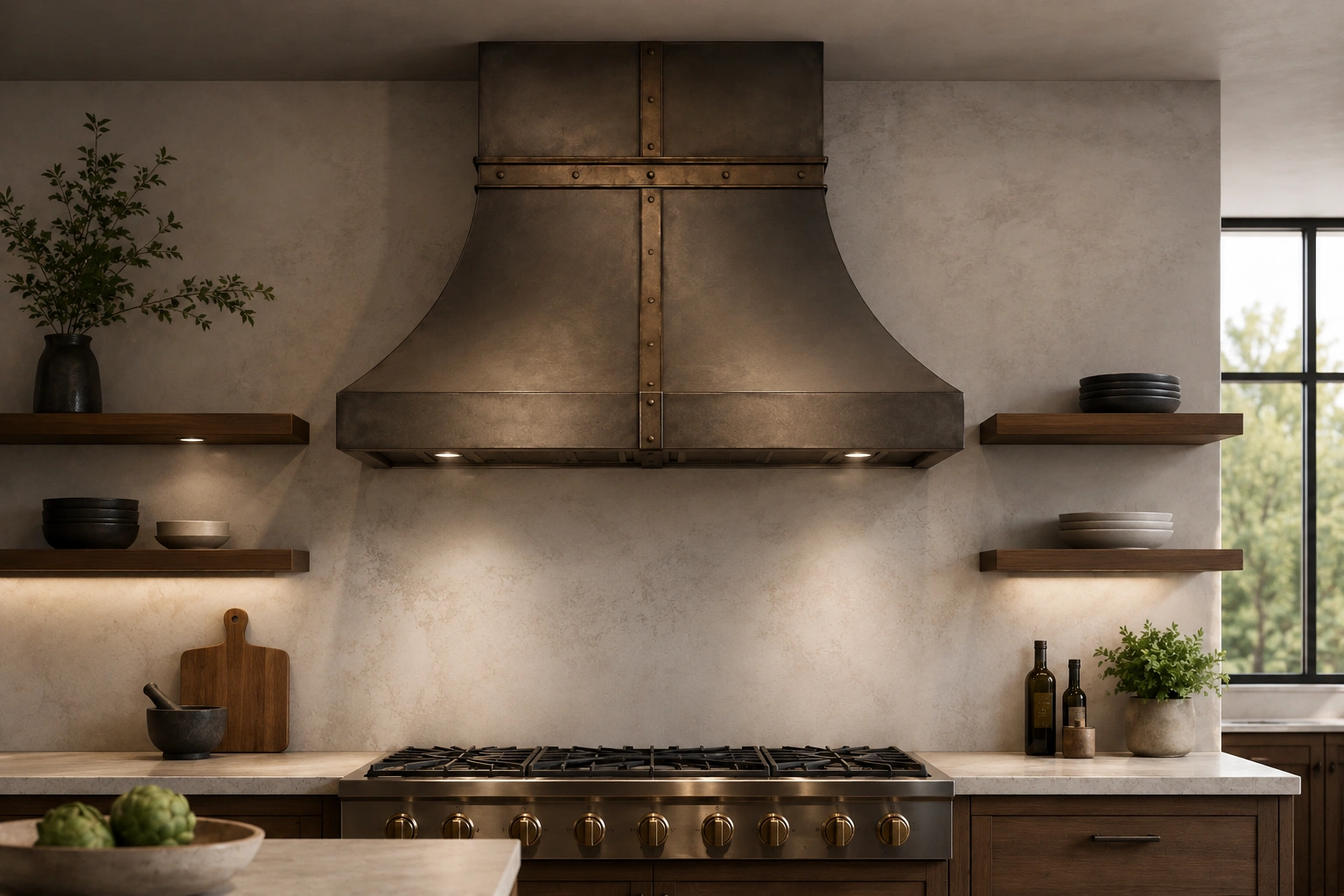
A custom range hood solves this problem. It removes smoke, controls grease, and improves airflow. It also upgrades kitchen design. Our team also provides professional appliance ventilation and oven and range repair services throughout the city and Central Oregon. In Bend, Oregon, homeowners are shifting from standard factory units to custom metal range hoods built for performance and design. We design and fabricate custom range hoods across the city and Central Oregon. Every system is built for airflow efficiency, durability, and exact kitchen fit.
10+
Years Serving
500+
5-Star Reviews
Same
Day Service
90
Days Warranty
✅ Licensed & Insured
🔧 90-Day Repair Warranty
📍 Locally Owned
⚡ Same-Day Appointments
💲 Upfront Flat Pricing
Range Hood vs Hood Shroud
A range hood removes smoke and heat.
A hood shroud enhances visual design.
In high-end remodels near Old Mill District, both systems are combined for a clean and modern kitchen look. In older homes near NW Newport Avenue, homeowners often upgrade to custom systems due to poor airflow in older ductwork.
What Is a Custom Range Hood?
A custom range hood is a ventilation system designed specifically for your kitchen layout. It is not mass-produced. It is engineered based on your stove size, ceiling height, duct path, and cooking style. A hood shroud is different. It does not control airflow directly. It covers the ventilation system and improves appearance. Many modern kitchens use both together.
Range Hood vs Hood Shroud Comparison
Feature | Range Hood | Hood Shroud |
|---|---|---|
Function | Air removal & ventilation | Decorative cover |
Airflow Control | High | None |
Kitchen Impact | Functional | Visual |
Maintenance | Required | Minimal |
Performance Role | Essential system | Aesthetic enhancement |
Benefits of Custom Range Hoods
A custom range hood is not only a design upgrade. It is a functional ventilation system that directly improves how your kitchen performs every day. In homes across city, Oregon, especially in remodeled kitchens near areas like the Century Drive corridor, homeowners are choosing custom-built hoods because they solve real airflow and safety problems that standard factory units often fail to handle.
Better Airflow Performance
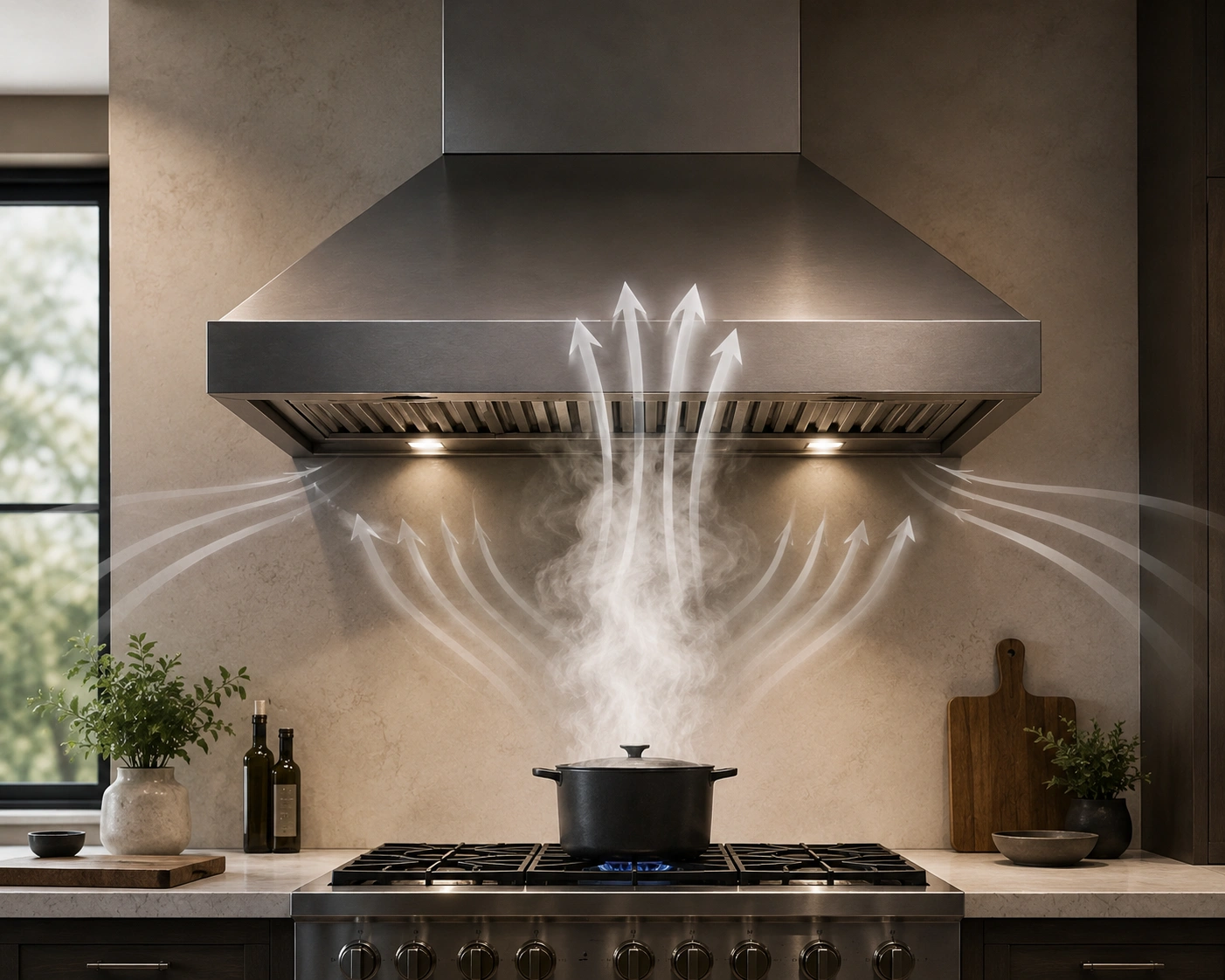
One of the biggest advantages is improved airflow control. A custom range hood is designed based on your exact cooktop size, ceiling height, and kitchen layout. This allows the system to capture smoke, steam, and cooking grease directly at the source. Instead of allowing air pollutants to spread across the kitchen, the hood pulls them upward efficiently. This results in a cleaner cooking environment and better indoor air quality, especially during heavy cooking or frying.
Improved Kitchen Safety
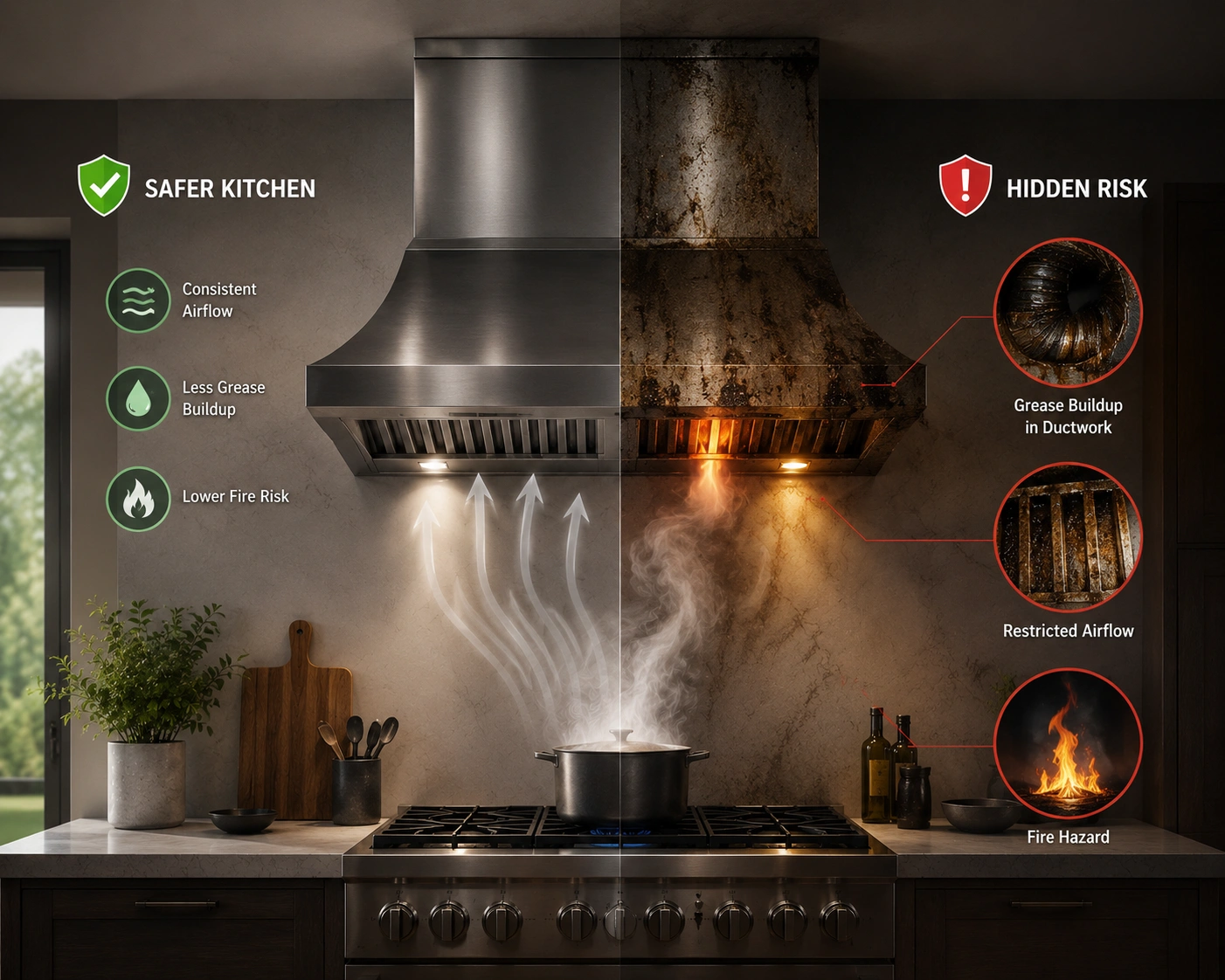
Grease buildup inside ductwork is a hidden risk in many homes. Over time, trapped grease can become a fire hazard if ventilation is weak or poorly designed. A properly engineered range hood reduces this risk by maintaining consistent airflow and preventing excessive grease accumulation. This makes the kitchen safer, especially in homes where daily cooking is frequent.
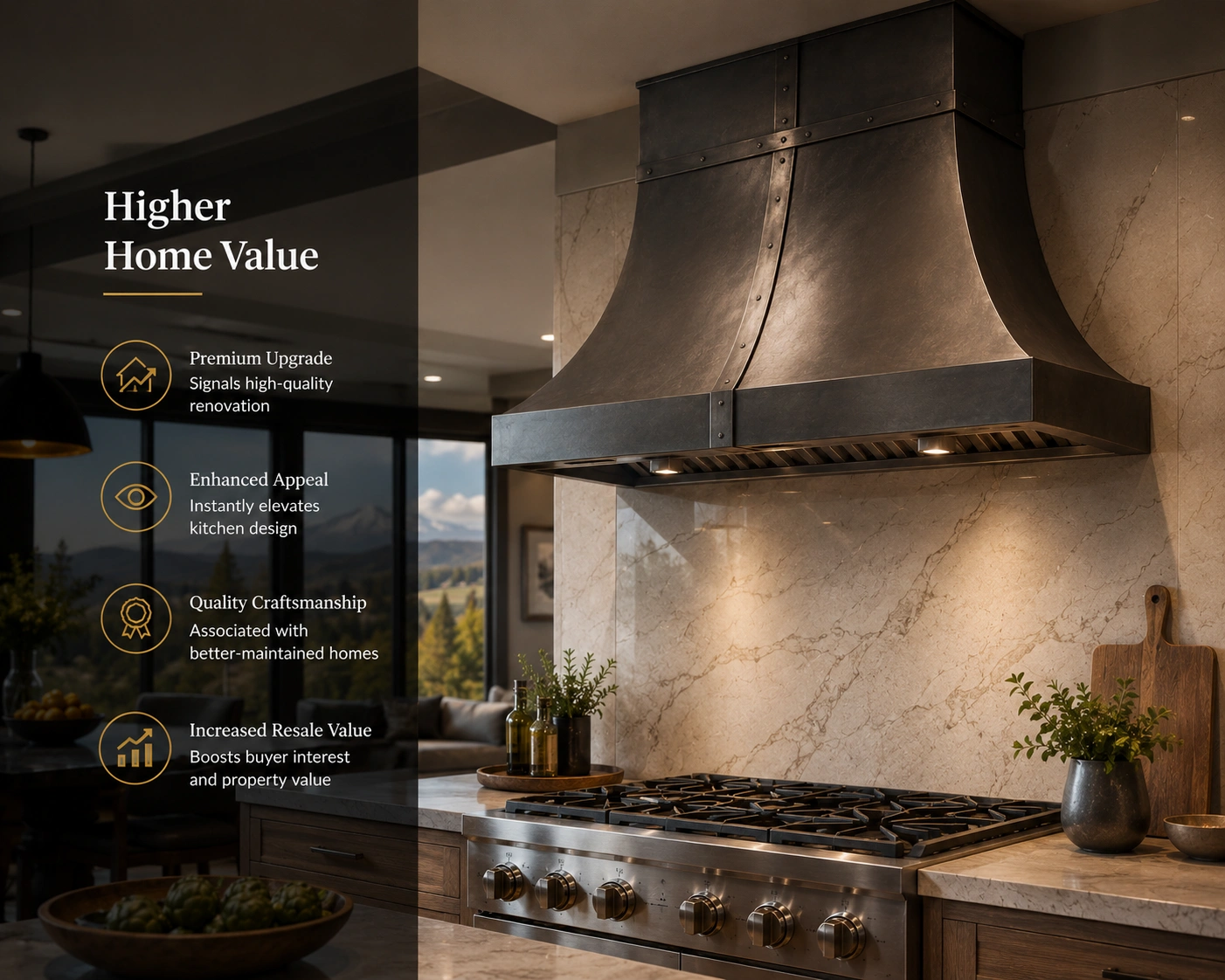
Higher Home Value
In this competitive housing market, kitchen upgrades play a major role in property value. A modern, custom metal range hood instantly improves visual appeal and signals a high-quality renovation. Buyers often associate custom ventilation systems with premium craftsmanship and better-maintained homes, which can increase resale interest and overall property value.
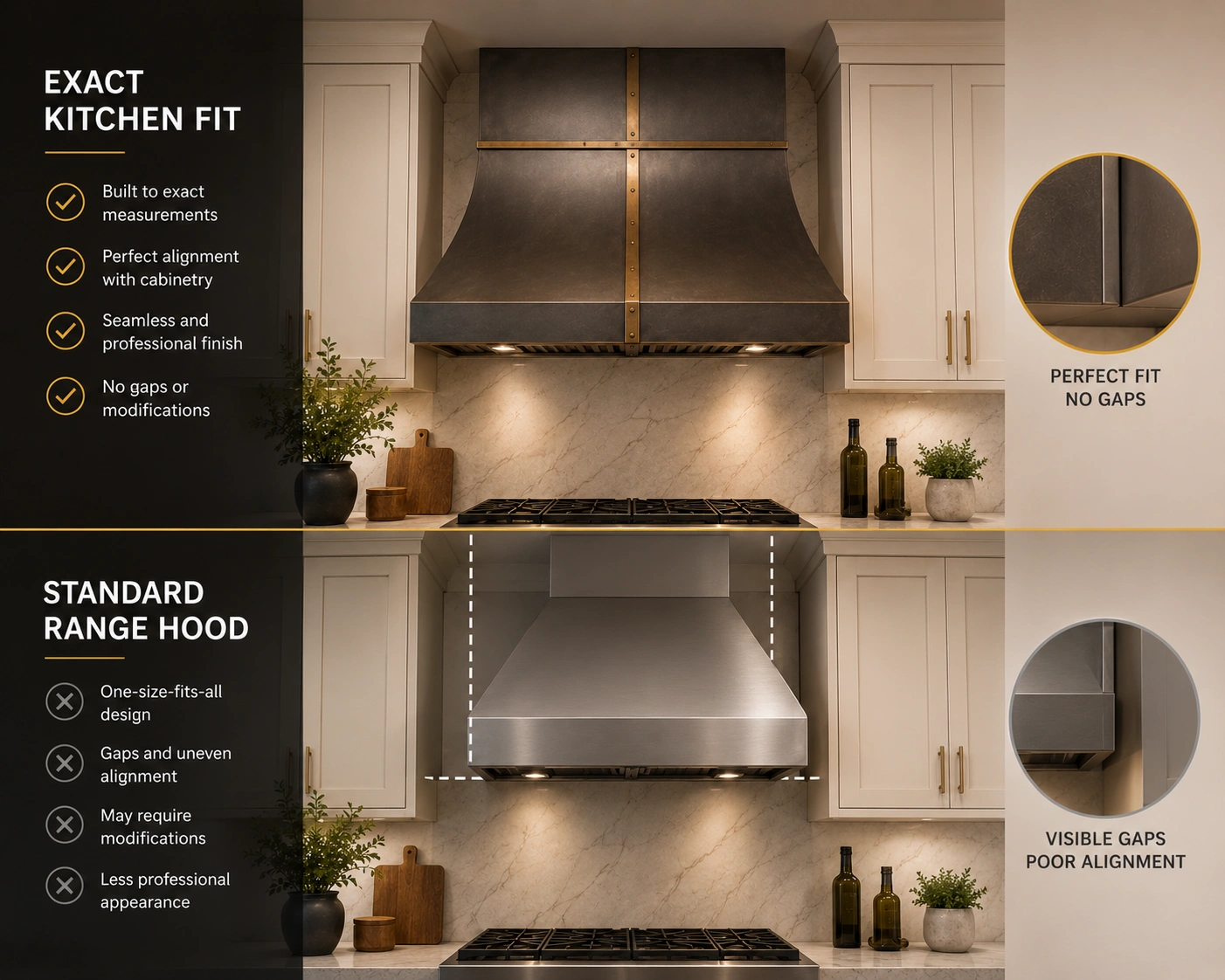
Exact Kitchen Fit
Every kitchen is different in size, layout, and structure. Standard range hoods often leave gaps or require modifications during installation. A custom range hood eliminates these issues completely. It is built to match your exact measurements, ensuring perfect alignment with cabinetry, cooktops, and ceiling height. This creates a seamless and professional finish.
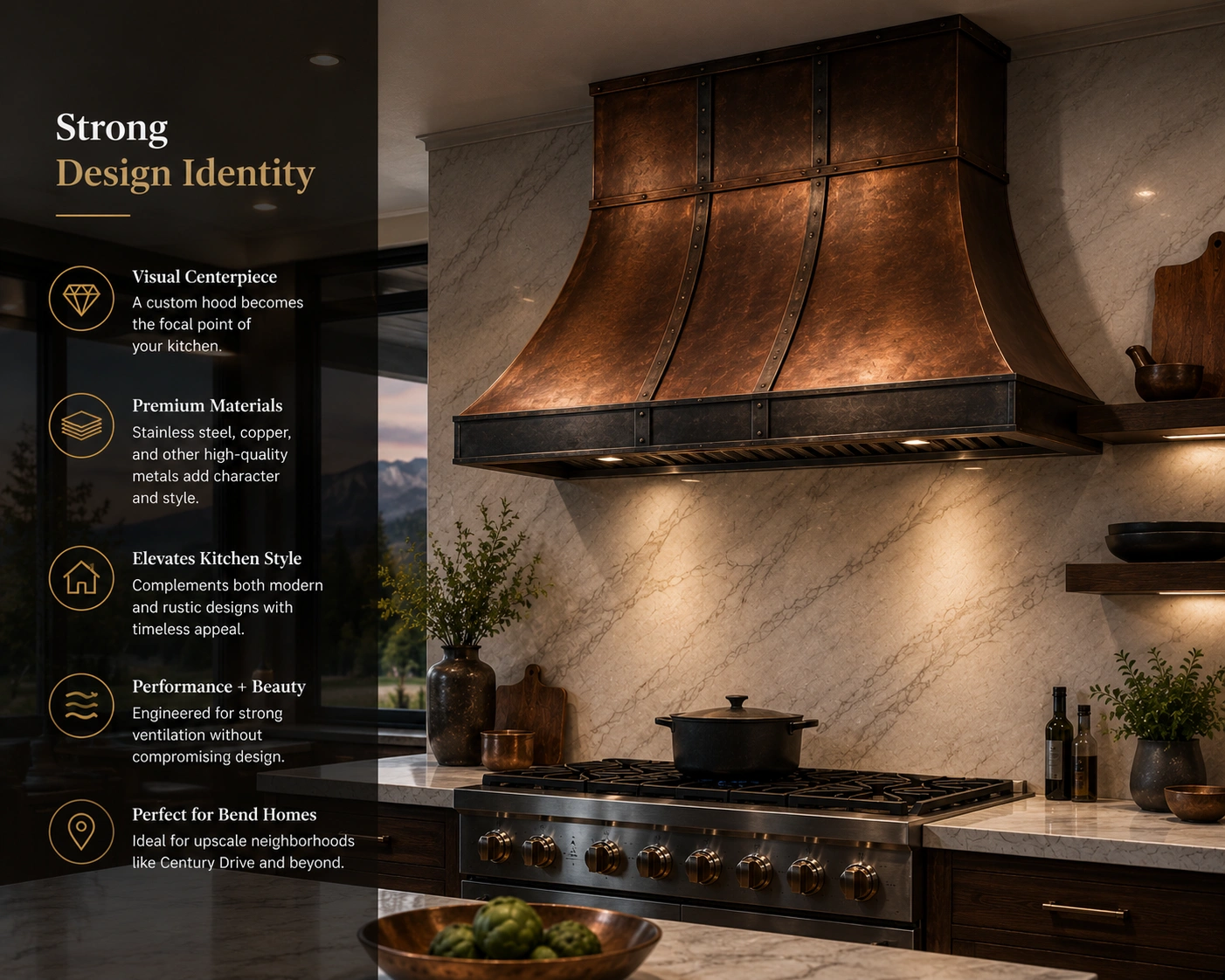
Strong Design Identity
Beyond performance, a custom hood becomes a visual centerpiece of the kitchen. Materials like stainless steel or copper add character and style that mass-produced units cannot match. In upscale neighborhoods, especially near Century Drive, homeowners often request bold, design-focused hoods that enhance the entire kitchen atmosphere while still delivering strong ventilation performance.
Why Custom Range Hoods Matter in Bend Homes
Bend homes have unique airflow conditions. During winter, homes are sealed tightly. Heating systems run continuously. Fresh air exchange becomes limited.
When cooking starts:
- Smoke stays longer indoors
- Grease particles spread in air
- Odors get trapped
- Indoor air quality drops
According to indoor air quality research from the U.S. Environmental Protection Agency, cooking is one of the top sources of indoor air pollutants. Without proper ventilation, kitchens become the most polluted area in the home.
Homes in areas like Pilot Butte, Southeast, and Old Farm District experience this more during winter months.
Materials Used in Custom Fabrication
Material selection affects durability, airflow performance, and maintenance.
We use premium metals depending on kitchen style and usage.
- Stainless steel for durability and modern kitchens
- Copper for luxury and patina aging effect
- Powder-coated steel for color customization
- Zinc for architectural and premium design projects
Each material reacts differently to heat, grease, and cleaning conditions.
Homes in Northwest often choose stainless steel for its durability and low maintenance. Many homeowners upgrading older kitchens also schedule appliance repair services in Bend during remodeling projects.
Material Performance Comparison
Material | Durability | Appearance Style | Maintenance Level |
|---|---|---|---|
Stainless Steel | High | Modern | Easy |
Copper | Medium-High | Luxury / Patina | Medium |
Powder-Coated Steel | High | Custom Color Options | Easy |
Zinc | Medium | Architectural | Medium |
Custom Range Hood Styles We Build
Different kitchens require different airflow solutions, and that is where custom fabrication makes a real difference. In this city kitchen layouts vary widely. Some homes have compact traditional kitchens, while newer builds near areas like Galveston Avenue feature large open-concept spaces. Each layout needs a specific type of ventilation system to maintain proper airflow, remove smoke efficiently, and balance kitchen comfort with design.
Wall-Mounted Range Hoods
Wall-mounted range hoods are one of the most common designs in residential kitchens. These are installed directly above the cooking range against a wall. They are highly effective in standard kitchen layouts where the stove is placed along a wall section. This style provides strong ventilation performance while keeping installation simple and space-efficient. Many homeowners prefer this option because it offers a balance of function and cost-effectiveness.
Island Range Hoods
Island range hoods are designed for kitchens where the cooktop is placed on a central island. These are especially popular in modern open-concept homes in the city. Since air is open on all sides, island hoods must be engineered with stronger airflow capacity to capture smoke and grease from multiple directions. Homes near Galveston Avenue and newer residential developments often choose this style because it matches modern kitchen layouts and provides full coverage ventilation.
Under-Cabinet Range Hoods
Under-cabinet range hoods are compact systems installed beneath kitchen cabinets. They are ideal for smaller kitchens or traditional layouts where space is limited. Despite their size, they still provide effective ventilation for everyday cooking. These systems are commonly used in older Bend homes where full kitchen remodels are not planned but improved ventilation is still needed.
Alcove Built-In Range Hoods
Alcove built-in hoods are designed for recessed kitchen spaces or architectural cutouts. These systems are integrated into the structure of the kitchen, creating a seamless look. They are often used in custom home builds where design continuity is important. This style allows the hood to blend naturally into cabinetry or wall structures while still maintaining strong airflow performance.
Commercial-Style Range Hoods
Commercial-style custom range hoods are built for high-performance cooking environments. These are commonly installed in large homes or kitchens where heavy cooking takes place regularly. They offer stronger airflow capacity and are designed to handle heat, smoke, and grease at a higher level. In Bend, homeowners who enjoy frequent cooking or entertaining often choose this style for maximum performance and durability.
Our Custom Hood Fabrication Process
We follow a structured, step-by-step process to ensure every range hood delivers precise fit, strong airflow, and long-term performance. Each stage is handled carefully to match your kitchen layout and ventilation needs.
Kitchen Evaluation
We inspect your kitchen layout and understand airflow direction to plan the right ventilation approach.
Measurement Collection
We take exact measurements to ensure the hood fits perfectly with your cooktop and cabinetry.
Design Engineering
We design the hood by balancing airflow performance, structural strength, and kitchen aesthetics.
Local Fabrication
We fabricate the hood in our workshop by cutting, shaping, and assembling high-quality metal.
Installation & Testing
We install the system and test airflow performance to ensure proper ventilation and smooth operation.
This structured process reduces installation issues and ensures better durability, efficiency, and long-term performance.
CFM and Kitchen Ventilation Guide
CFM means Cubic Feet per Minute. It measures airflow strength.
Higher CFM removes smoke faster.
Lower CFM works for light cooking.
Incorrect CFM selection leads to:
- Poor smoke removal
- Loud operation
- Inefficient airflow
- Short system lifespan
Proper sizing is critical for performance.
CFM Requirements by Cooking Type
Cooking Type | Recommended CFM |
|---|---|
Electric Cooking | 300–400 CFM |
Standard Gas Cooking | 400–600 CFM |
Heavy Cooking / High Heat | 600–1200 CFM |
Common Problems Custom Range Hoods Solve
Many homeowners upgrade because of:
- Weak airflow
- Loud fan noise
- Grease buildup inside ducts
- Smoke not clearing properly
- Outdated kitchen design
Custom systems solve these issues at the engineering level.
Why Homeowners in Bend Choose Us
We are a Central Oregon fabrication team specializing in custom ventilation systems. We understand local home architecture and airflow challenges.
Key Strengths:
- Local fabrication shop in Central Oregon
- Skilled metal craftsmen
- Custom engineering per kitchen
- Professional installation service
- High-quality materials sourcing
Unlike mass-produced units, every system is built for real kitchen conditions.
Industry Facts About Kitchen Ventilation
Modern kitchens require proper airflow design.
- Cooking releases grease particles and moisture
- Poor ventilation increases indoor air pollution
- Proper airflow reduces surface buildup
- Custom hoods improve capture efficiency
- Balanced duct design improves long-term hygiene
These principles are widely used in HVAC and ventilation engineering. Proper kitchen ventilation standards are widely recognized in modern indoor air quality research, including guidance published by ASHRAE.
Ready to Get Started?
A custom range hood is more than a kitchen accessory.
It is a ventilation system that affects air quality, cooking comfort, safety, and home value.
In Bend, Oregon, homes face unique ventilation challenges due to climate and modern open kitchen layouts.
A properly designed custom range hood solves these problems efficiently.
Whether you are remodeling near Old Mill District, upgrading in Southeast, or building in Northwest, a custom-built system delivers long-term performance and value.