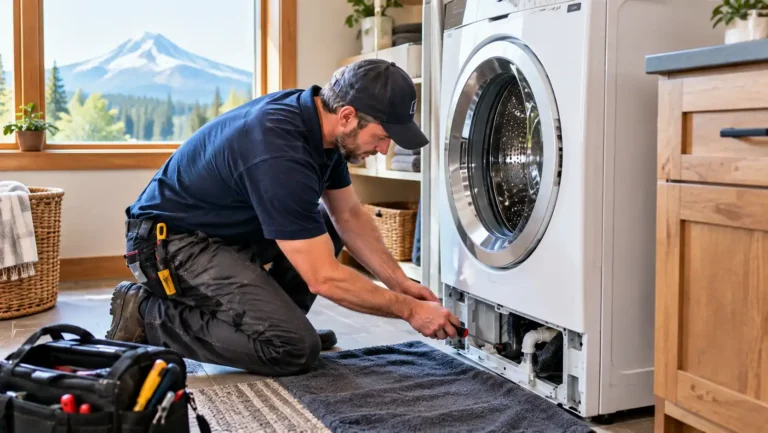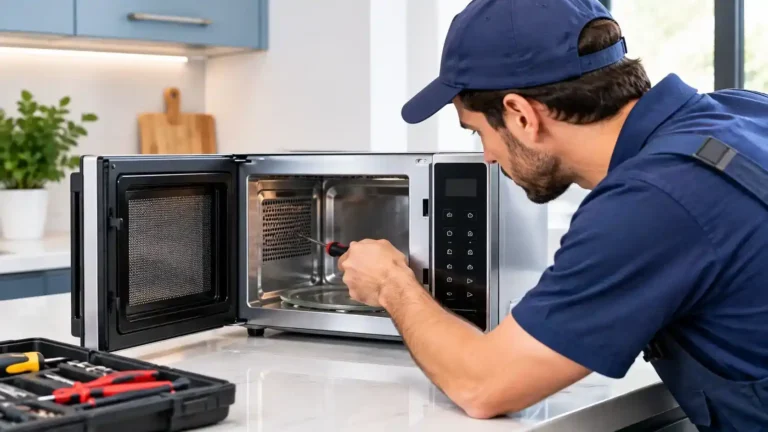

What Actually Happens When an Appliance Repair Technician Visits Your Home?
A complete guide for Bend homeowners explaining what to expect before, during, and after an in-home appointment—from scheduling and diagnosis to repair, testing, and maintenance advice.
What Should You Expect From an Appliance Repair Visit?
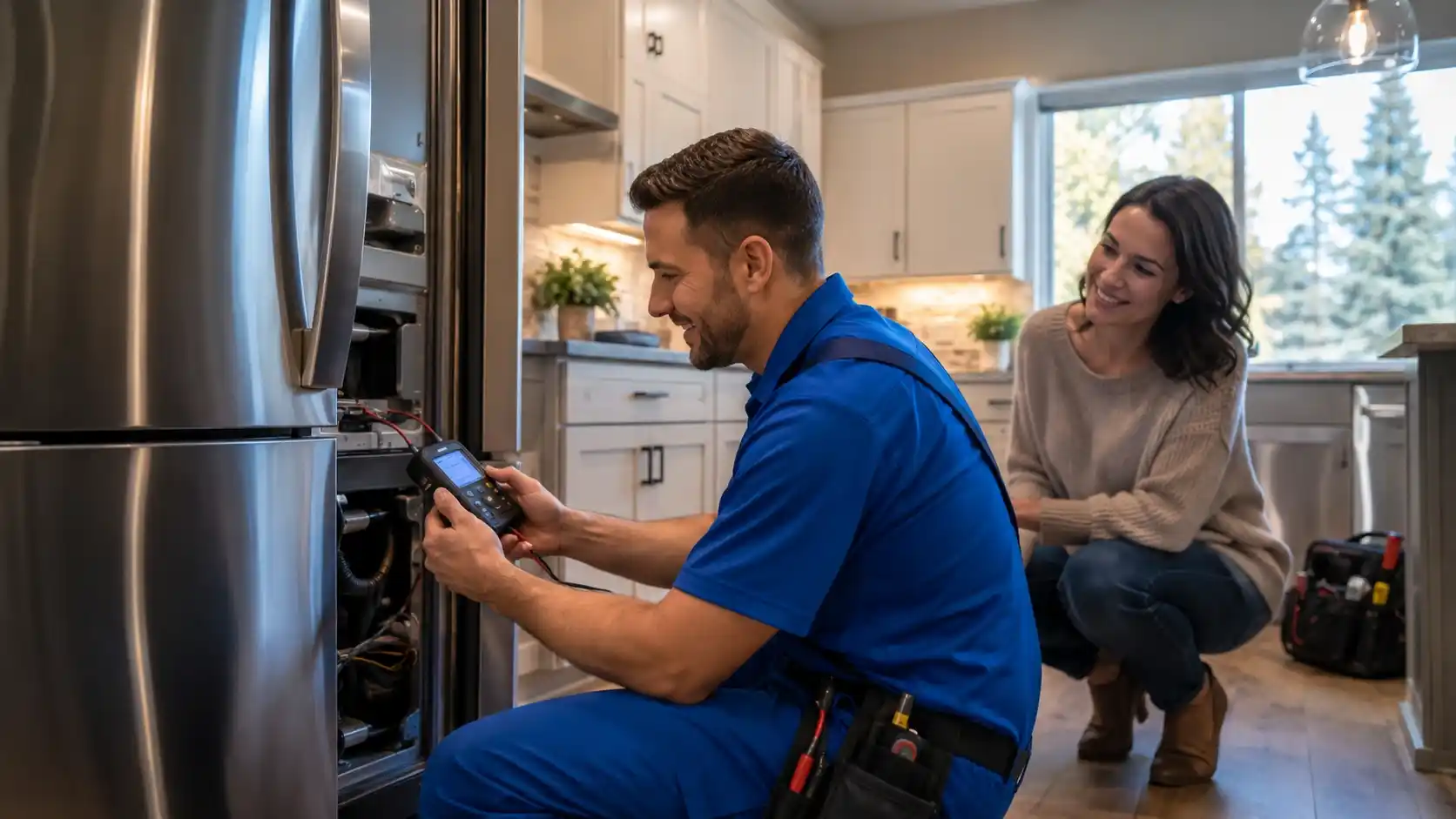
When an appliance stops working, your first concern is usually simple: “What happens when the repair technician arrives?”
Most homeowners want to know whether the technician will diagnose the real problem, whether the repair will be affordable, whether the appliance can be fixed during the first visit, and whether their home will be treated with care.
A professional repair visit is not just about replacing a broken part. It is a complete process that includes inspection, diagnosis, communication, repair, testing, and guidance.
For homeowners in Bend, Oregon, reliable appliance service means getting a technician who respects your time, understands your appliance, and provides honest recommendations. Whether you live near the Old Mill District, Northwest Crossing, River West, Orchard District, Midtown Bend, or areas around Highway 97 and US-20, you deserve a repair experience that feels simple and professional.
What Happens Before Your Appliance Repair Technician Arrives?
The repair process begins before the technician reaches your home. When you schedule service, the company collects important details about your appliance and the symptoms you are experiencing.
This information helps the technician prepare for the visit and narrow down possible causes before arrival.
Information You May Be Asked to Provide
- Which appliance needs repair?
- What is the appliance brand and model number?
- What symptoms are you experiencing?
- When did the problem begin?
- Has anyone attempted a repair before?
Refrigerator Not Cooling
Possible causes can include a faulty thermostat, compressor issue, condenser coil buildup, fan failure, or electrical problem.
Dryer Taking Too Long
Possible causes can include restricted airflow, failed heating components, sensor problems, or a blocked vent.
How to Prepare for an Appliance Repair Visit
A little preparation can make your appointment smoother and help the technician reach the appliance safely.

Prepare by Appliance Type
- For refrigerator repair, remove important food items if needed.
- For dishwasher repair, remove dishes and standing water.
- For washing machine repair, provide access to water connections.
- For dryer repair, provide access to the dryer and vent area.
Why Preparation Matters
A clean and accessible workspace helps the technician inspect the appliance faster, protects household items, and reduces delays during diagnosis and repair.
What Happens During a Typical Appliance Repair Visit?
A professional appointment follows a clear process. The technician first understands the problem, inspects the appliance, explains the solution, completes the approved repair, and tests the results.
| Repair Visit Stage | What Happens | Why It Matters |
|---|---|---|
| Scheduling the Appointment | The company collects appliance details and symptoms. | Helps prepare for accurate diagnosis. |
| Technician Arrival | The technician introduces themselves and reviews the issue. | Creates clear communication. |
| Inspection | The appliance is checked for visible and technical problems. | Finds the actual cause. |
| Diagnostic Testing | Relevant components are tested for failure. | Prevents unnecessary repairs. |
| Repair Recommendation | The technician explains options and pricing. | Helps homeowners make informed decisions. |
| Repair Completion | The appliance is repaired and tested. | Confirms proper operation. |
| Final Review | The technician explains the results and maintenance tips. | Helps prevent future issues. |
The Technician Introduces Themselves and Reviews the Problem
When the technician arrives, the first step is communication. A professional technician should introduce themselves, confirm the appliance problem, listen to your concerns, and ask questions about the symptoms.
Your description gives the technician important clues and helps guide the inspection.
What the Technician Hears
Homeowner: “My dryer works, but clothes stay damp.”
Technician considers: Heating problems, airflow restrictions, moisture sensors, and vent blockages.
Homeowner: “My refrigerator is running, but food is warm.”
Technician considers: Cooling systems, temperature controls, fans, and compressor operation.
Appliance Inspection and Diagnostic Process
The inspection is the foundation of a successful repair. A qualified technician focuses on finding the cause, not only the visible symptom.
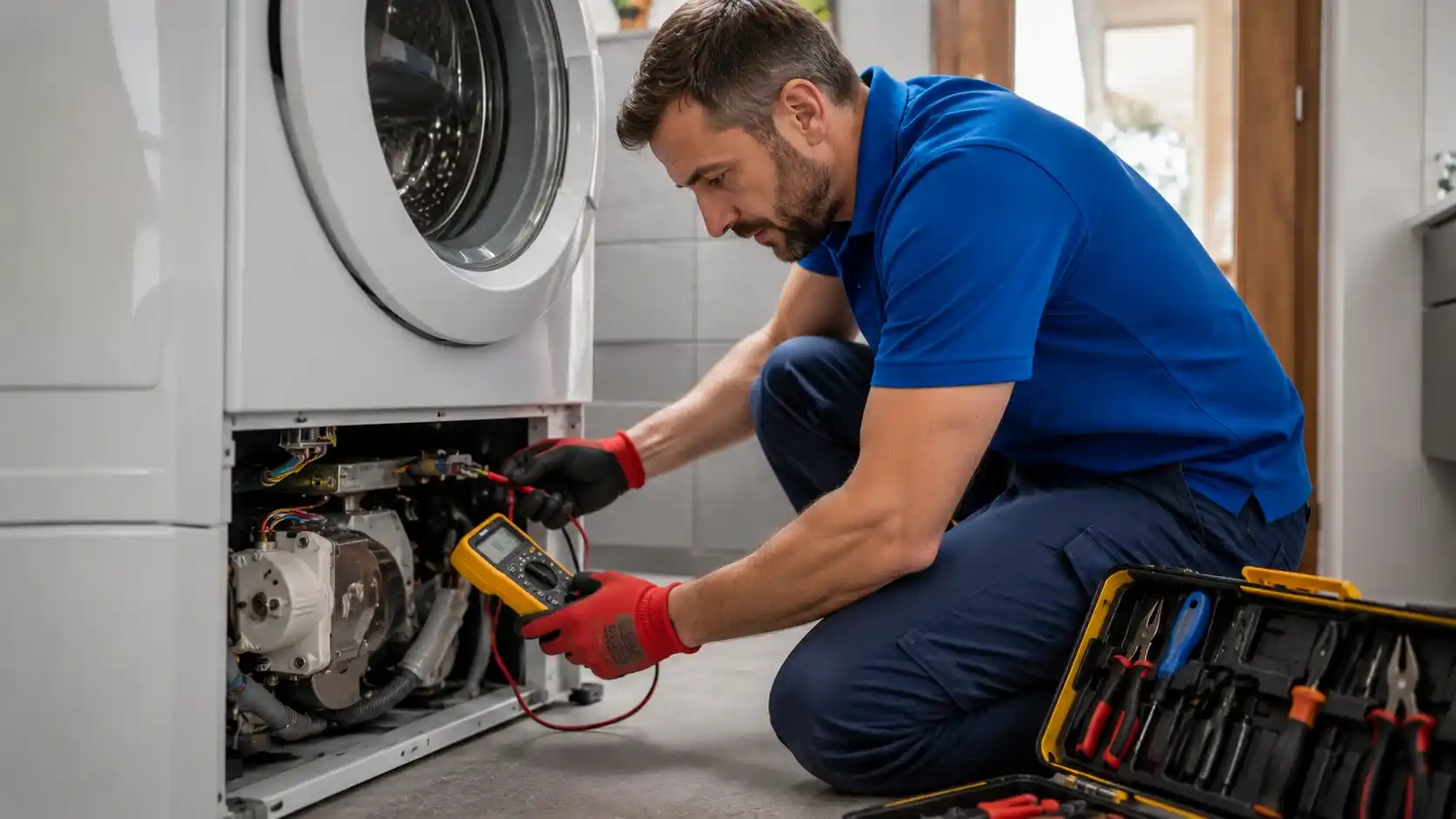
Visual Inspection
The technician looks for damaged parts, loose wiring, water leaks, burn marks, unusual wear, and broken components.
Diagnostic Testing
Motors, sensors, control boards, heating elements, switches, and electrical connections may be tested.
Safety Checks
Electrical connections, gas components, water supply lines, and potential household hazards are reviewed.
What Does an Appliance Technician Check?
| Appliance | Common Problem | What the Technician Checks |
|---|---|---|
| Refrigerator | Not cooling properly | Compressor, thermostat, fans, airflow, and electrical components |
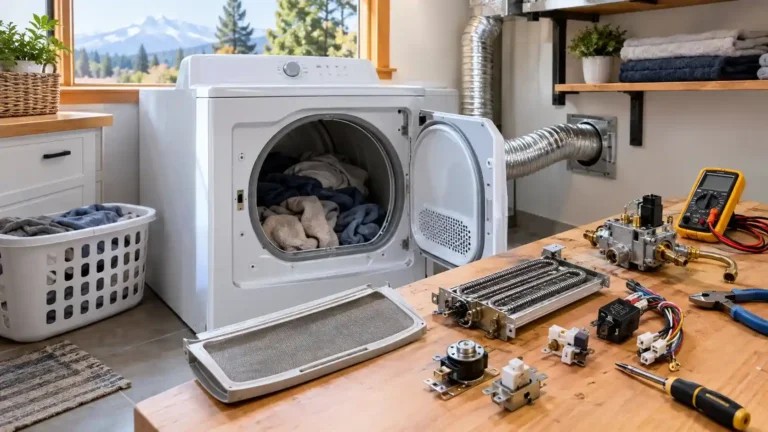
| Dryer | Clothes take too long to dry | Heating element, airflow, sensors, and vents |
| Dishwasher | Poor cleaning or drainage | Pump, filters, spray arms, and drainage system |
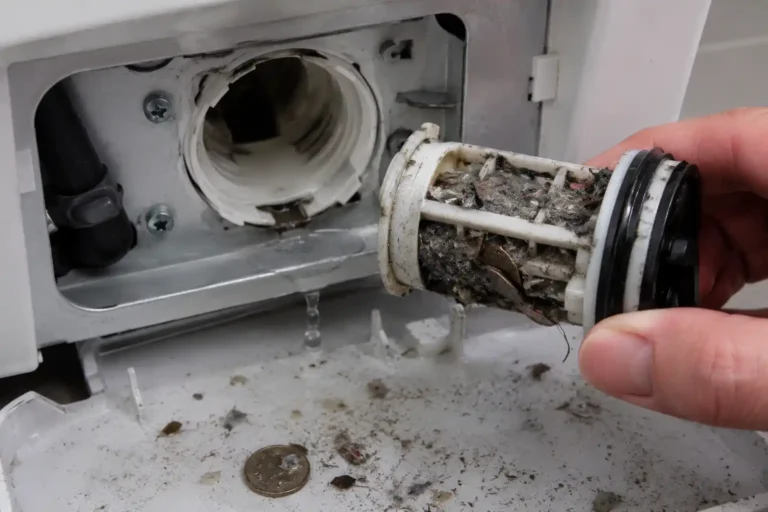
| Washing Machine | Leaks, noise, or spinning problems | Motor, belts, water connections, and control system |
| Oven or Range | Not heating correctly | Heating elements, igniter, and temperature sensors |
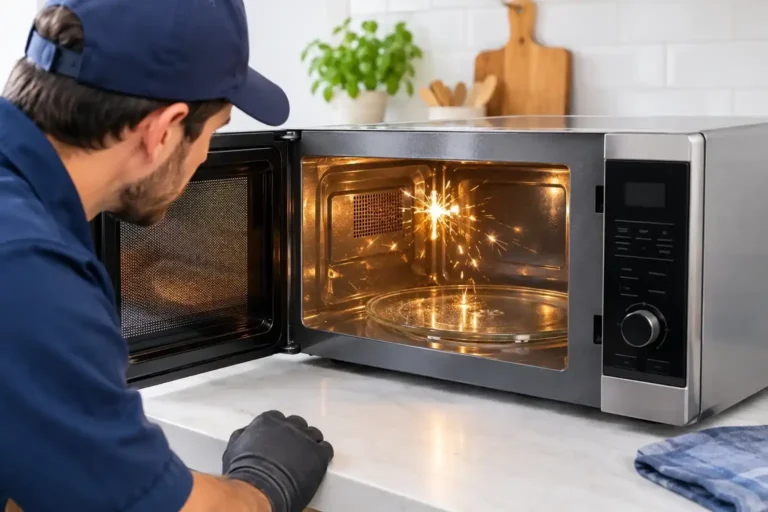
| Microwave | Not heating food | Electrical components, switches, and control board |
Why Professional Diagnosis Matters More Than Quick Fixes
Many appliance problems appear simple at first: a dryer is not heating, a refrigerator is not cooling, or a dishwasher is not draining. However, modern appliances contain connected systems, and the visible symptom may not identify the failed component.
A professional technician focuses on finding the root cause so that the wrong part is not replaced.
A Dryer With No Heat May Have
- Restricted airflow
- A damaged thermal fuse
- A faulty thermostat
- A wiring problem
- A control board failure
Refrigerator Water Leak
The cause may be a blocked drain line, damaged water valve, frozen drain system, or loose connection—not necessarily a reason to replace the refrigerator.
Dishwasher Leaving Dishes Dirty
The cause may be a clogged filter, blocked spray arm, low water temperature, or drainage problem.
Understanding the Repair and Cost Estimate
After the inspection, the technician should explain the findings before beginning the repair.
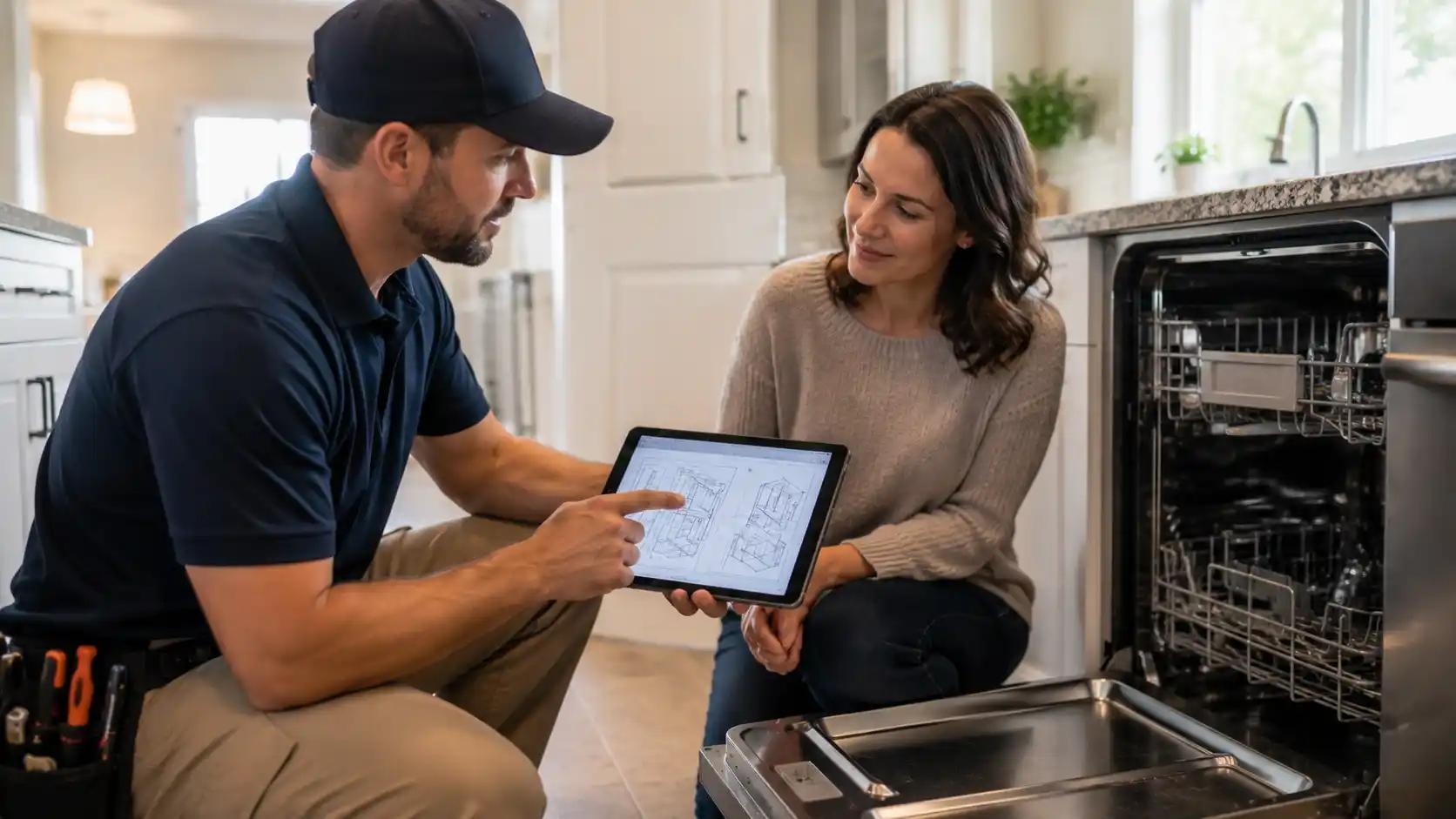
A Trustworthy Technician Explains
- What caused the problem
- Which parts need attention
- Available repair options
- Estimated costs
- Expected completion time
Questions the Estimate Should Answer
- What exactly needs to be repaired?
- Why is the repair necessary?
- How long should the work take?
- Are replacement parts required?
What Happens During the Repair?
After approval, the technician begins the repair using appropriate tools, replacement parts, and safety procedures. The exact steps depend on the appliance and the confirmed fault.
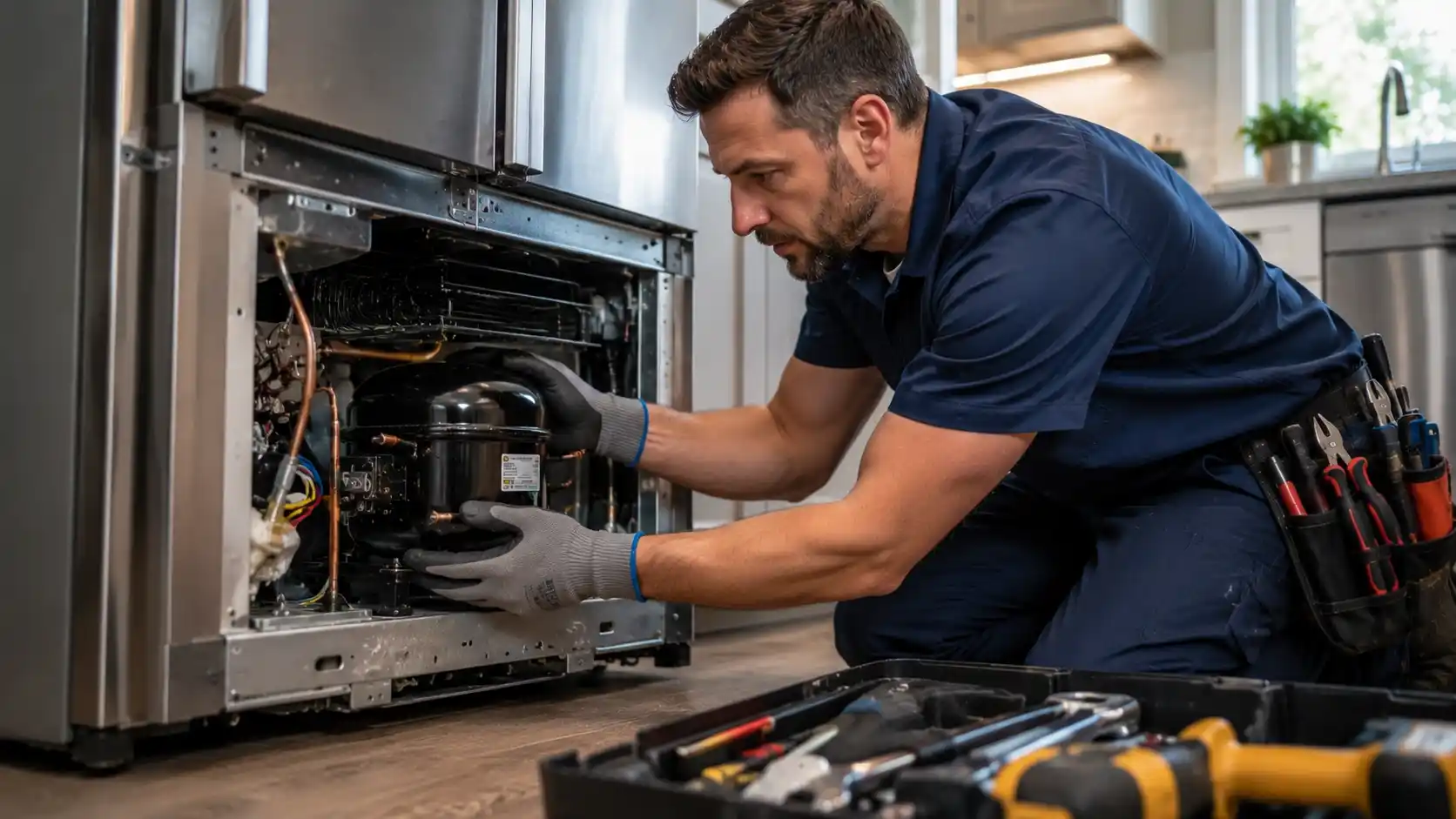
Refrigerator Repair
Common work includes cooling failures, temperature problems, ice maker issues, water leaks, fan problems, and compressor-related faults.
Dryer Repair
Common work includes no-heat problems, long drying times, drum issues, strange noises, sensor failures, and vent-related problems.
Dishwasher Repair
Common work includes drainage problems, poor cleaning, leaks, pump issues, control failures, and spray arm problems.
Washing Machine Repair
Common problems include failure to spin, leaks, excessive vibration, drainage issues, and unusual noises.
Oven and Range Repair
Common work includes heating problems, ignition failures, temperature issues, and electrical problems.
Final Operational Test
After the repair, the technician runs or tests the appliance to confirm that the original problem has been corrected.
What If a Part Needs to Be Ordered?
Not every repair can be completed during the first visit. A special component may be needed when the part is uncommon, the appliance is older, or the manufacturer requires a model-specific component. You can compare average appliance life expectancy using the InterNACHI reference guide.
A professional company should explain which part is needed, why it failed, the expected arrival time, and the next appointment details.
How Long Does a Repair Visit Take?
Repair time depends on appliance type, problem complexity, accessibility, diagnostic results, and parts availability.
Some simple repairs may take less than an hour, while complex faults may require additional testing or a return visit. A careful diagnosis is more valuable than a rushed repair.
Should You Repair or Replace Your Appliance?
A professional technician can help you compare repair cost, appliance age, condition, reliability, energy use, and parts availability.
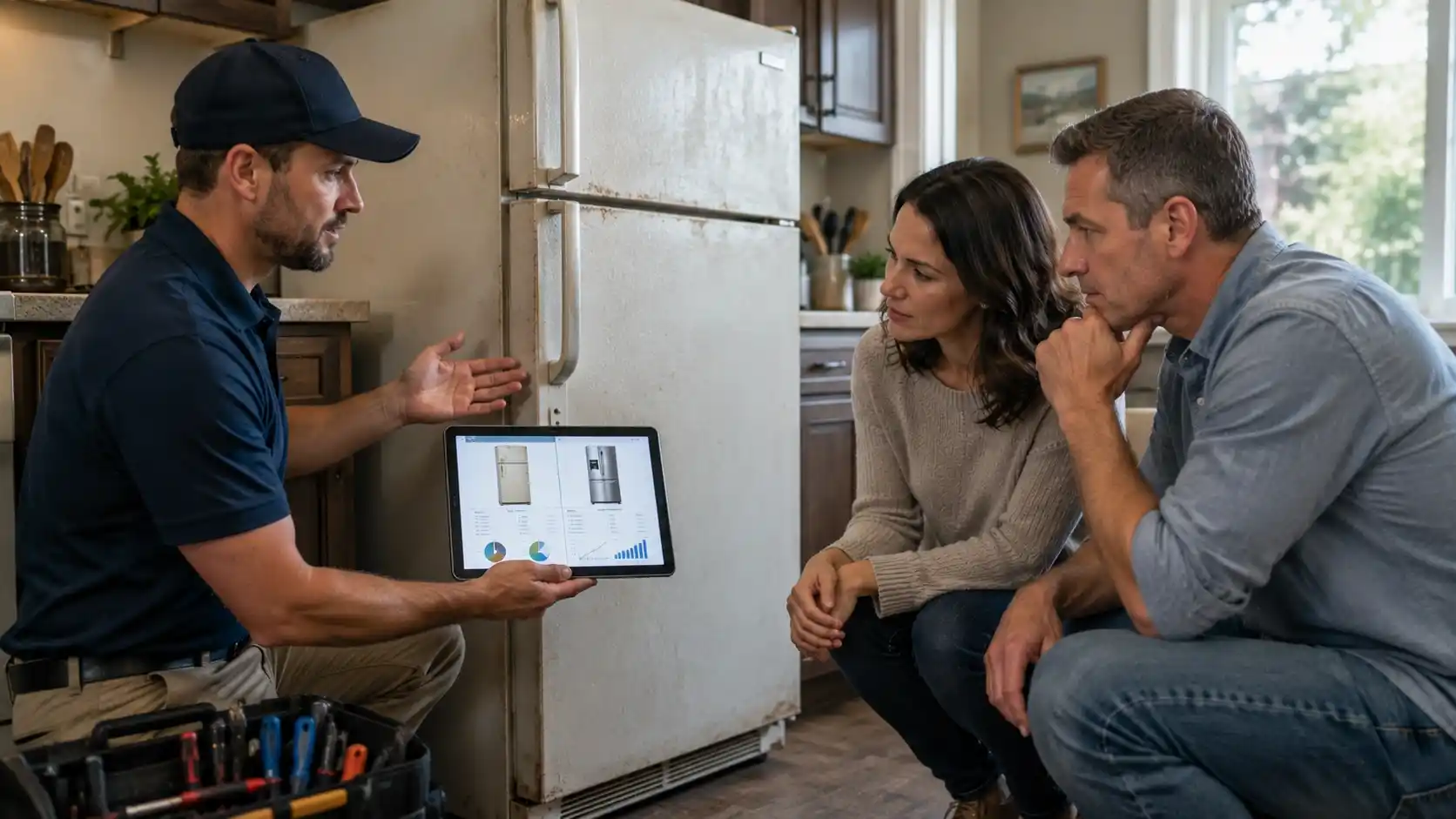
| Situation | Repair May Be Better | Replacement May Be Better |
|---|---|---|
| Appliance Age | The appliance is newer and has useful years remaining. | The appliance is old and near the end of its expected lifespan. |
| Repair Cost | The repair is reasonable compared with replacement. | The repair cost is close to the cost of a new appliance. |
| Previous Repairs | This is the first major repair. | Frequent breakdowns are occurring. |
| Energy Use | The appliance still performs efficiently. | The older appliance uses considerably more energy. |
| Parts Availability | Required parts are readily available. | Parts are discontinued, rare, or unusually expensive. |
How to Choose a Reliable Appliance Repair Company in Bend, OR
Choosing a repair company is about trust. The technician enters your home, handles valuable equipment, and advises you about appliances your family uses every day.
Experienced Technicians
Modern appliances include digital controls, sensors, electronic boards, and energy-saving systems. Experience with both traditional and newer designs matters.
Honest Communication
You should understand what failed, what needs repair, what it will cost, and which options are available—without confusing explanations or unnecessary pressure.
Respect for Your Home
A quality technician protects floors and surfaces, handles appliances carefully, keeps the workspace clean, and removes repair debris after service.
Why Local Appliance Technician in Bend, Oregon Makes a Difference
A Bend appliance company understands the community and the needs of local homeowners. Homes throughout Bend have different layouts, appliance setups, and access challenges.
Technicians familiar with Old Mill District, Downtown Bend, Northwest Crossing, Orchard District, Midtown Bend, River West, and Southern Crossing can navigate local appointments more efficiently.
Benefits of Local Service
- Faster appointment availability
- Easier communication
- Familiarity with Bend neighborhoods
- Stronger community relationships
- More convenient follow-up service
Customer Testimonials, Results, and Real Service Experiences
Homeowners look for technical skill, honest communication, professional workmanship, and reliable results.
Fast Response
Verified reviews can highlight appointment availability, communication, and response time.
Clear Explanations
Strong feedback often describes technicians who explain the fault, estimate, and repair options clearly.
Respectful Service
Homeowners value clean work areas, careful handling of appliances, fair pricing, and successful repairs.
Case Studies: Real Problems, Real Solutions
Replace these examples with verified service details before presenting them as completed customer case studies.
Refrigerator Not Cooling in Bend, OR
The problem: The refrigerator was running, but food was not staying cold.
The diagnosis: The technician inspected the cooling system and tested key components.
The solution: The confirmed faulty component was repaired or replaced.
The result: Normal cooling was restored, helping avoid an unnecessary replacement.
Dryer Taking Too Long to Dry Clothes
The problem: The dryer required multiple cycles to dry a normal load.
The diagnosis: The technician checked airflow, heating components, sensors, and internal parts.
The solution: The confirmed issue was corrected through repair and testing.
The result: The dryer returned to better performance.
Awards, Certifications, and Professional Recognition
Only verified achievements should be displayed. Relevant trust signals may include manufacturer training, repair certifications, industry memberships, community awards, and customer service recognition.
Preventive Appliance Maintenance Tips
Regular maintenance can help appliances perform better, use energy more efficiently, and last longer.
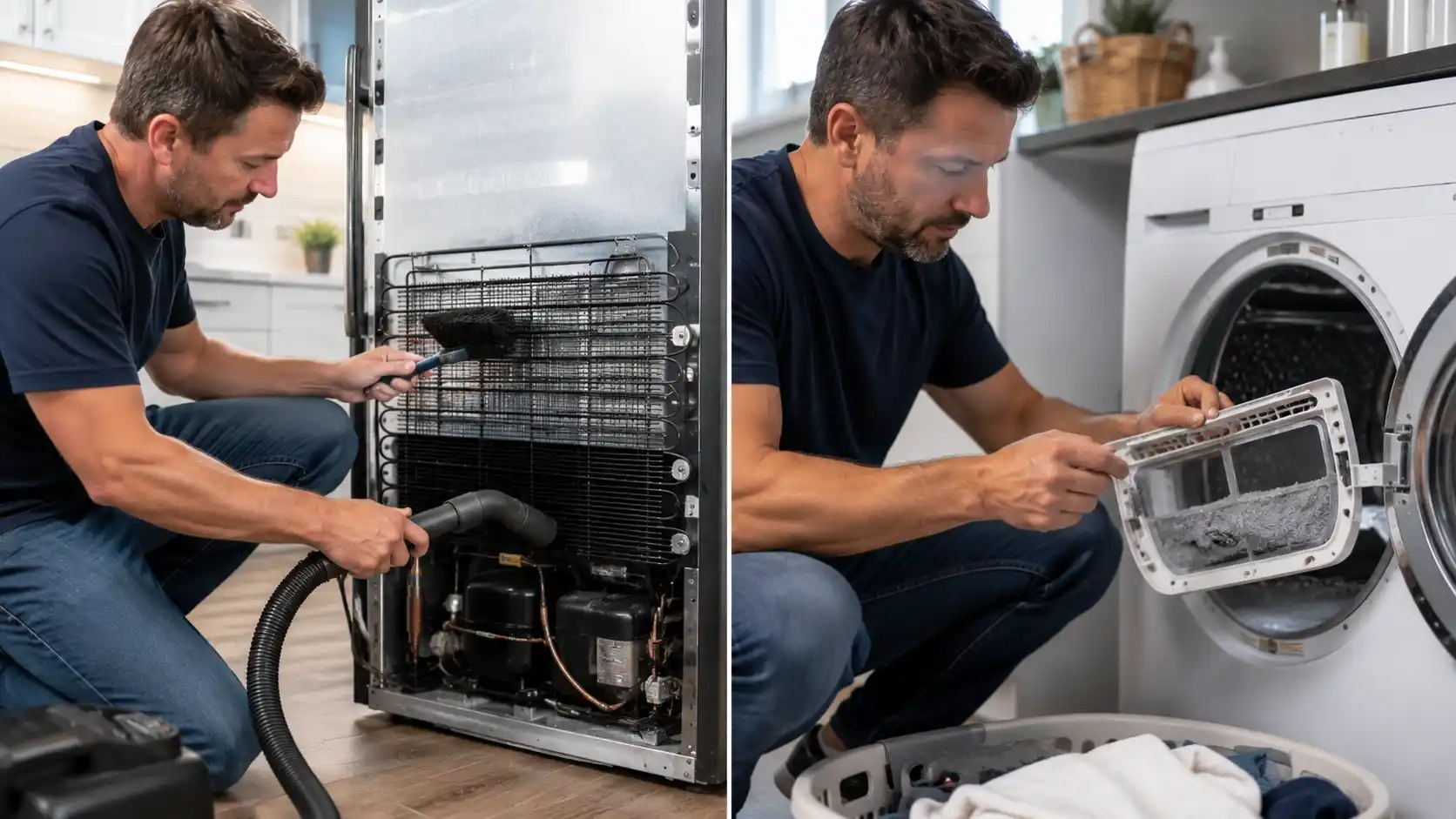
Clean Refrigerator Coils
Dust and buildup around condenser coils can affect cooling performance. Cleaning the coils helps the refrigerator operate more efficiently. For professional maintenance, contact the refrigerator repair team.
Clean Dryer Vents
Blocked vents reduce airflow and may cause longer drying times, higher energy use, and extra stress on dryer components. The National Fire Protection Association (NFPA)also recommends regular dryer vent cleaning to reduce fire risk.
Maintain Your Dishwasher
Clean filters, remove food buildup, check spray arms, and avoid overloading to support better cleaning and drainage. For more details check out our dishwasher repair page.
Check Washing Machine Connections
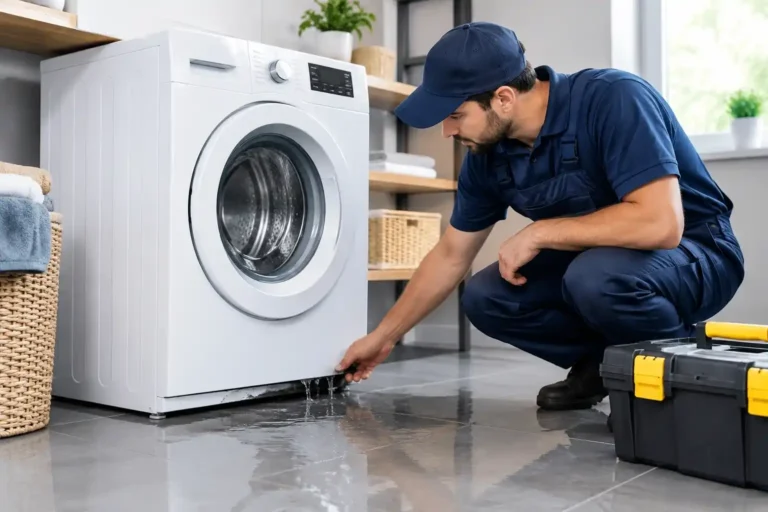
Inspect hoses and fittings for leaks, cracks, and looseness. Small connection problems can become expensive water-damage issues. Our washing machine repair service have helped many bend owners with washing machine repair service.
When Should You Call a Professional?
Simple cleaning or a basic reset may solve a minor issue. Professional help is recommended when the appliance presents a safety risk, continues to fail, or requires internal testing.
Call a Technician When You Notice
- Electrical problems
- Gas appliance issues
- Water leaks
- Burning smells
- Repeated failures
- Unusual noises
- No improvement after basic troubleshooting
Frequently Asked Questions
How should I prepare for an appliance repair technician?
Clear the area around the appliance, remove anything blocking safe access, keep pets away from the workspace, and have the model number and a description of the problem ready.
Will the technician fix my appliance during the first visit?
Many common repairs can be completed during the first appointment. Some repairs require model-specific or uncommon parts, in which case the technician should explain the next steps and arrange follow-up service.
How much does an appliance repair service visit cost?
The cost depends on the appliance type, diagnostic requirements, replacement parts, and repair complexity. A professional technician should explain pricing before beginning approved work.
Is it better to repair or replace an old appliance?
It depends on the appliance age, repair cost, condition, energy use, parts availability, and future reliability. A qualified technician can help compare both options.
How long does a typical appointment take?
Simple repairs may be completed relatively quickly. More complex problems may require additional testing or ordered parts. A correct diagnosis is more important than rushing the appointment.
Need Reliable Appliance Repair in Bend, OR?
A broken appliance can interrupt your daily routine. Whether your refrigerator stops cooling, your dryer stops heating, your washing machine stops spinning, or your dishwasher stops cleaning properly, getting the right help matters.
A professional technician provides accurate diagnostics, clear repair options, safe workmanship, honest recommendations, and respect for your home.