Washing Machine Not Spinning: What to Check Before Calling for Repair
Is your washing machine not spinning? Learn common causes, safe troubleshooting steps, and when to call Appliance Repair Bend OR for help in Bend, Oregon.
Washing Machine Not Spinning: What to Check First
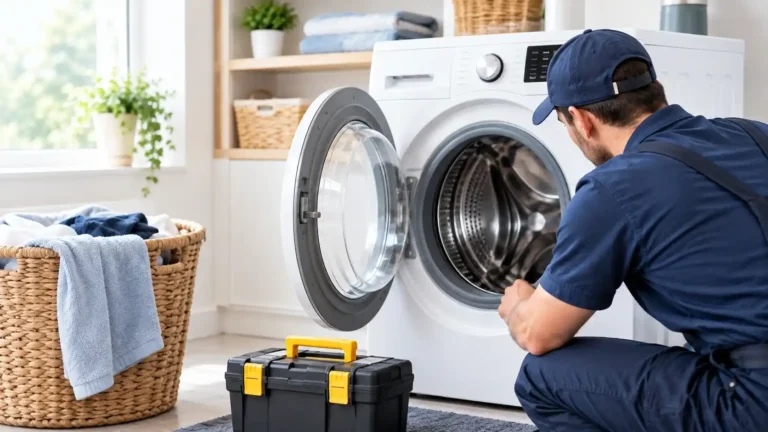
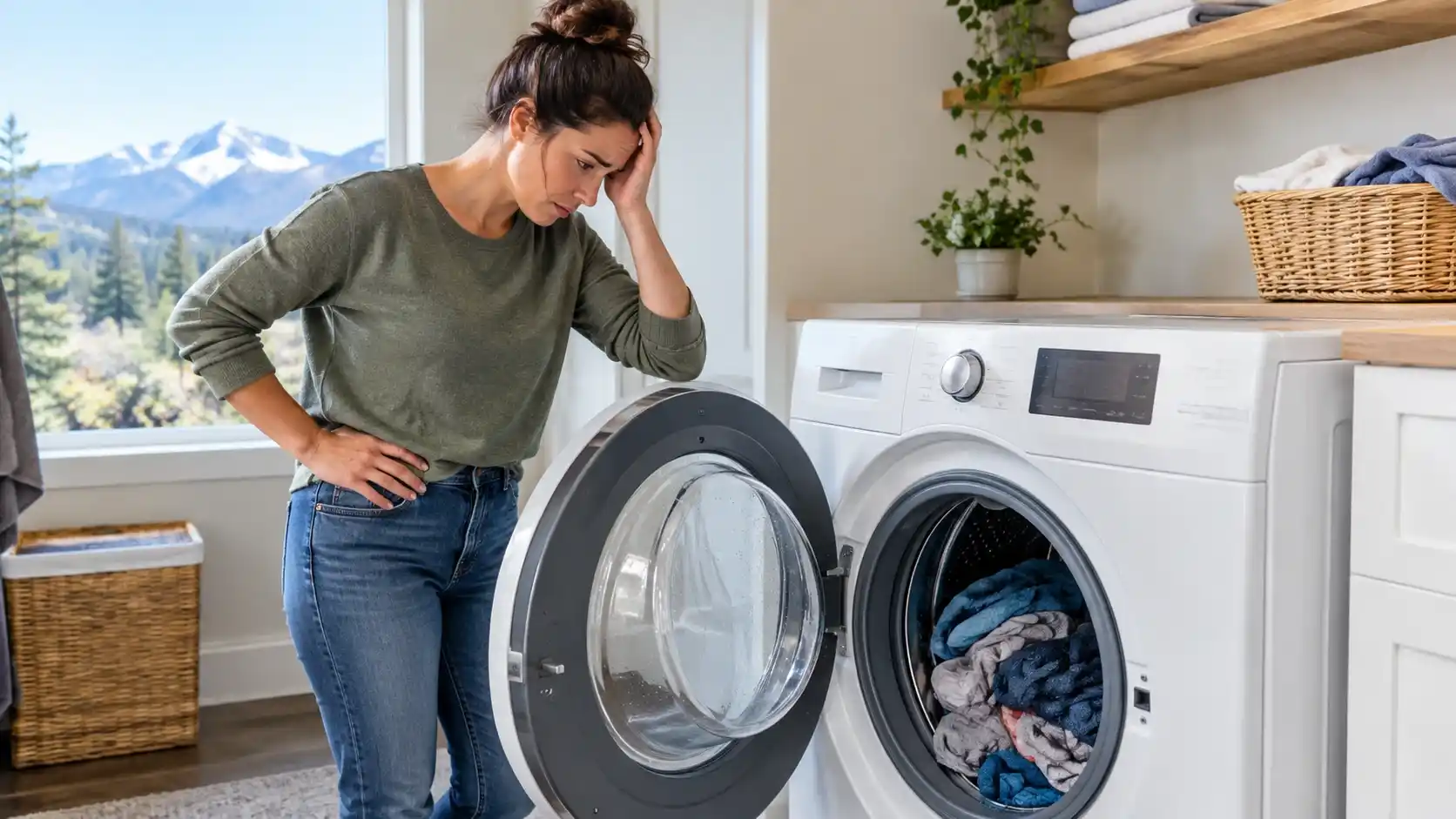
A washing machine that fills with water, agitates, or washes normally but refuses to spin can leave you with heavy, soaking-wet clothes. If you are dealing with a washing machine not spinning, the cause may be something simple, such as an unbalanced load or a blocked drain hose. In other cases, the problem may involve the lid switch, door lock, drain pump, drive belt, motor, or another internal component.
This guide explains what to look for, how to troubleshoot the problem, and when it makes more sense to contact a professional washer repair service in Bend
How to Tell If Your Washing Machine Is Not Spinning Correctly
A washer does not always stop spinning completely. Sometimes it spins slowly, stops before the final cycle, attempts to spin and then pauses, or completes the cycle while leaving clothes unusually wet. These details can help identify the source of the issue.
Use the table below to match the symptom you are seeing with a few possible causes. The table is a starting point, not a final diagnosis.
| What You Notice | Possible Cause |
|---|---|
| Clothes are soaking wet after the cycle | The washer may not have entered the final spin, may not have drained, or may have an unbalanced load. |
| The drum does not rotate at all | A lid switch, door lock, belt, motor, motor coupling, or control problem may be involved. |
| The washer stops before the final spin | The machine may detect an imbalance, a drainage issue, or a safety-switch problem. |
| Water remains inside the tub | A clogged drain hose, blocked pump filter, or failing drain pump may prevent spinning. |
| The washer shakes, bangs, or moves | The load may be uneven, the machine may be unlevel, or suspension parts may be worn. |
| The motor hums but the drum does not move | A seized pump, damaged belt, worn coupling, or mechanical obstruction may be responsible. |
| An error code appears | The code may point to a door, motor, drainage, balance, or control-system fault; check the model manual. |
Common Reasons for a Washing Machine Not Spinning
The Load Is Too Large or Unbalanced
An overloaded washer may struggle to distribute clothing evenly around the drum. Heavy items such as towels, blankets, and jeans can collect on one side, causing the machine to reduce or cancel the spin speed. Remove a few items, spread the remaining clothes evenly, and run a drain-and-spin cycle again.
A very small load can also create an imbalance. If the problem happens only with bulky items, the machine may be responding to the weight distribution rather than suffering from a major mechanical fault.
The Washer Cannot Drain Properly
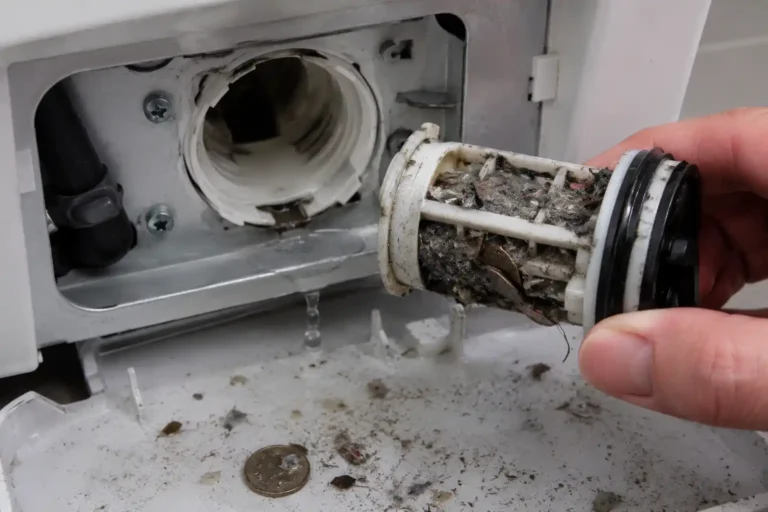
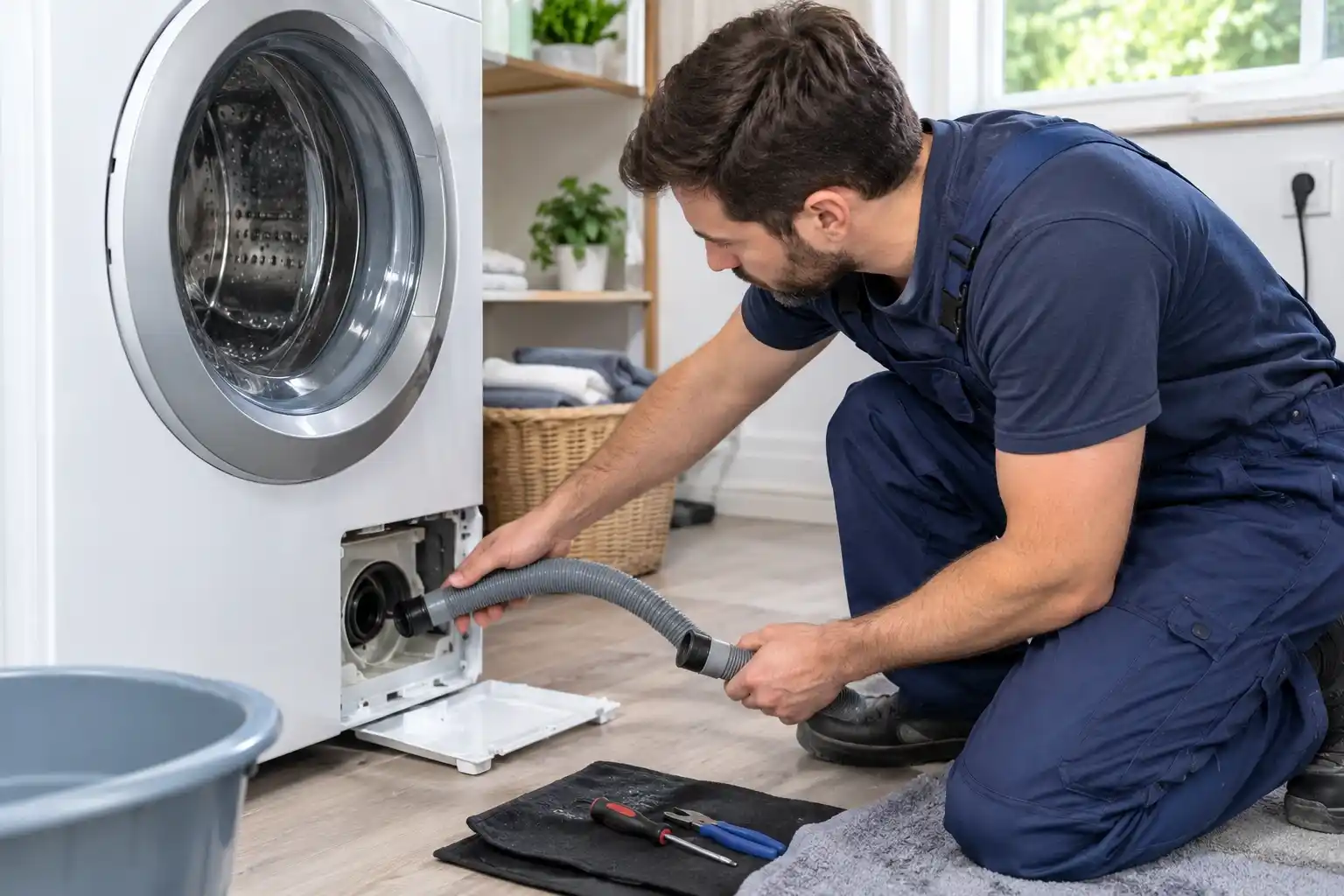
Most washers will not complete a high-speed spin if water remains in the tub. A kinked drain hose, clogged pump filter, blocked drainpipe, or defective drain pump can prevent the water from leaving.
Look for standing water, slow draining, unusual humming, or a drainage-related error code. Never reach into a pump or filter area while the appliance is operating. Unplug the washer first and follow the manufacturer’s instructions.
The Lid Switch or Door Lock Is Faulty
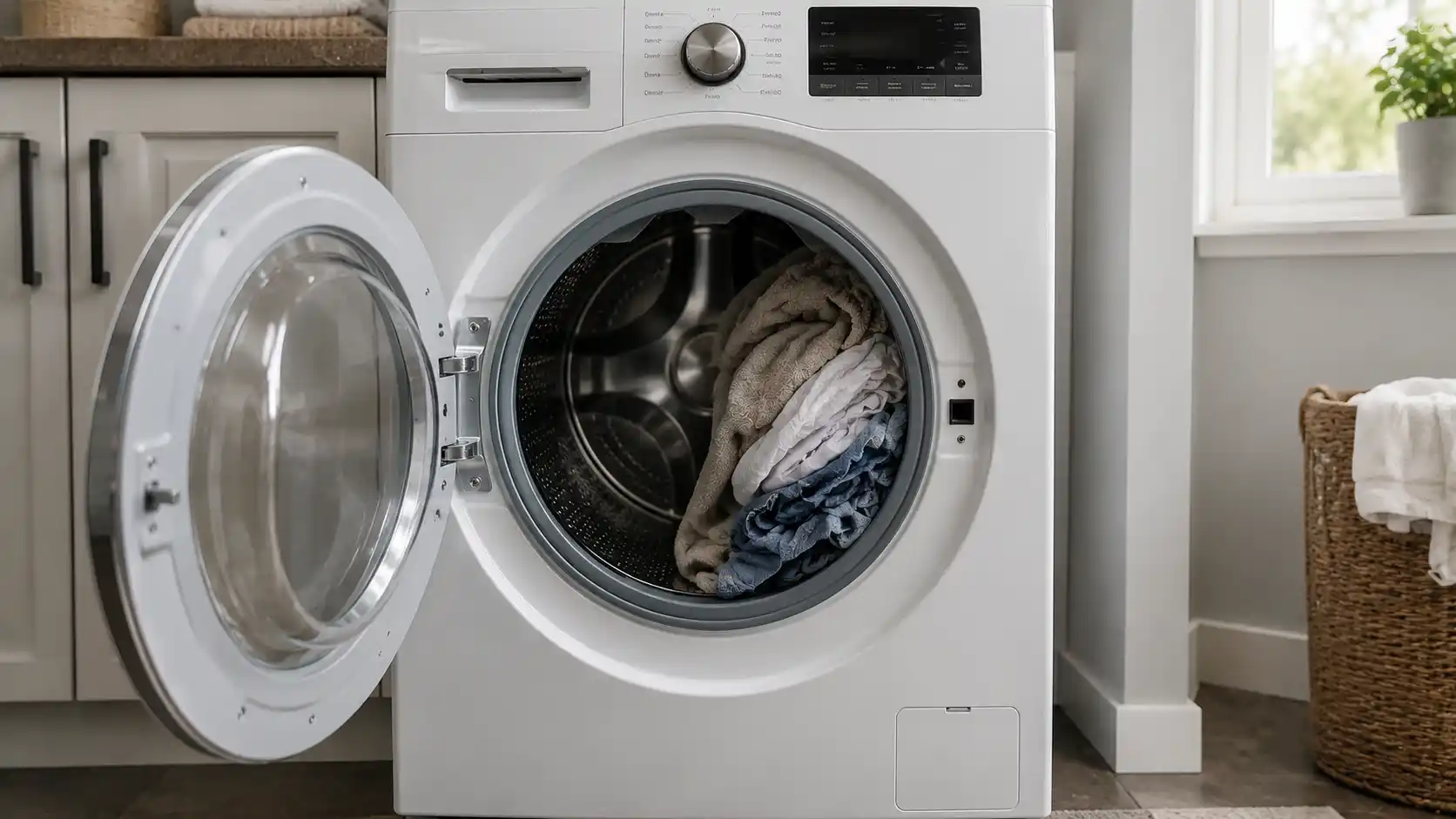
Top-load washers generally use a lid switch or lid-lock assembly to confirm that the lid is closed. Front-load models use a door-lock system for the same safety purpose. If the washer cannot confirm that the door or lid is secure, it may fill and wash but refuse to spin.
Do not bypass a safety switch. A failed switch should be tested and replaced by a qualified technician.
A Drive Belt, Motor Coupling, or Motor Problem
Some washers use a drive belt to transfer power from the motor to the drum. Others use a motor coupling, direct-drive system, or a different transmission arrangement. A worn belt may produce slipping, squealing, or a drum that turns weakly. A damaged coupling can allow the motor to run without properly moving the basket.
Because these parts are inside the cabinet and may involve electrical or moving components, professional diagnosis is usually the safest option.
The Washer Is Not Level
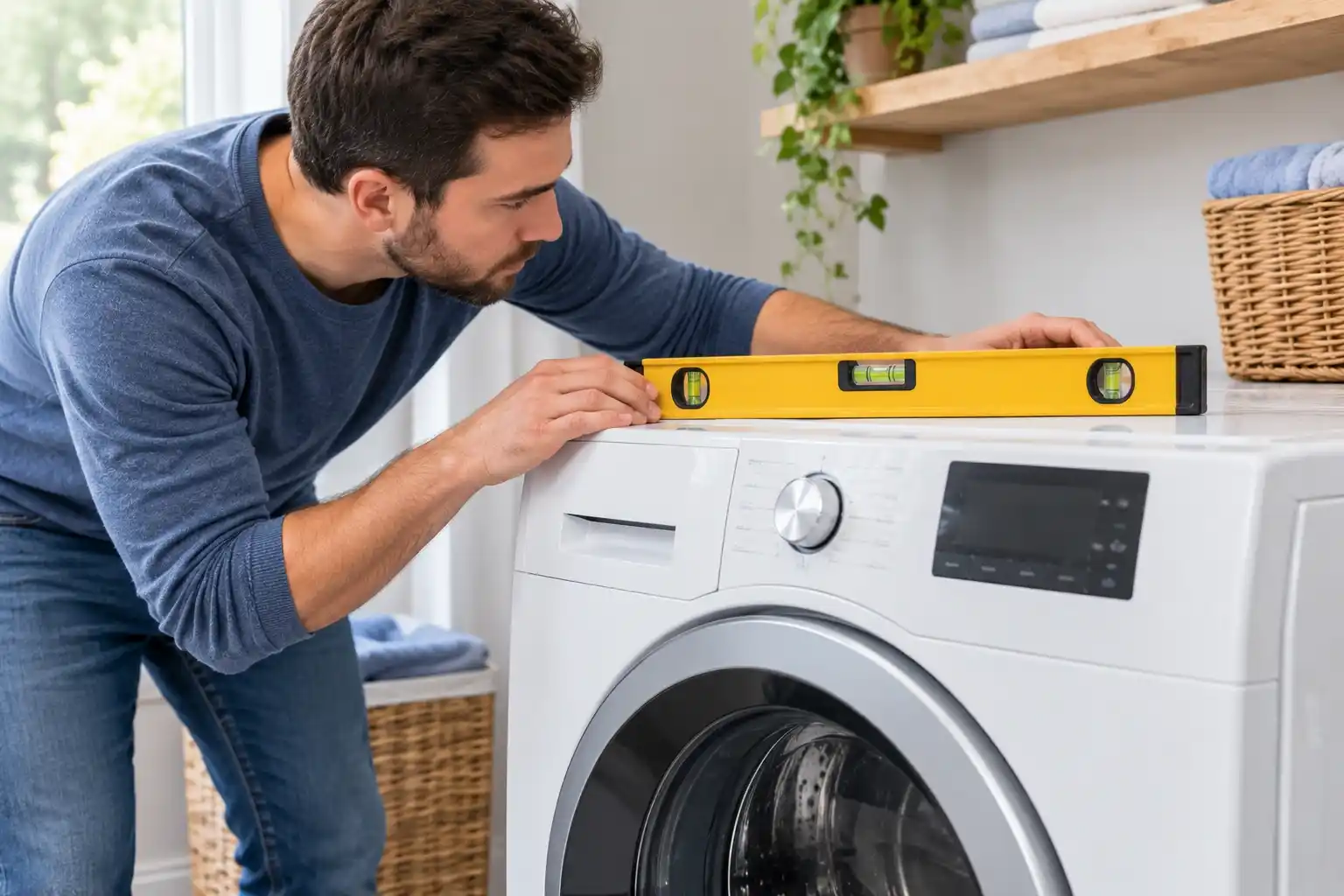
A machine that rocks on its feet may become noisy or stop during high-speed spinning. Check whether the washer moves when you gently push it from corner to corner. If it rocks, adjust the leveling feet according to the manufacturer’s instructions and make sure the floor is stable.
How to Fix a Washer That Won’t Spin: Troubleshooting Checklist
If your washing machine is not spinning, work through these checks in order. Stop immediately if you notice burning smells, sparks, exposed wiring, leaking water near electrical parts, or unusual grinding that suggests serious mechanical damage.
| Troubleshooting Step | What to Do |
|---|---|
| Check the cycle settings | Confirm that a low-spin, delicate, rinse-hold, or no-spin setting was not selected accidentally. |
| Reduce the load | Remove some clothing, especially heavy towels, bedding, or bulky items. |
| Balance the laundry | Redistribute clothes evenly around the drum or basket. |
| Check the machine level | Make sure all feet are firmly supported and the washer does not rock. |
| Inspect the lid or door | Close the lid or door firmly and check for visible obstructions around the seal. |
| Check the drain hose | Look for kinks, crushing, or an incorrectly positioned hose. |
| Inspect the pump filter | If your model has an accessible filter, clean it only after unplugging the washer and following the manual. |
| Run a drain-and-spin cycle | Test the machine with a small, balanced load after correcting any obvious issue. |
| Reset the washer | Unplug the appliance for several minutes, then reconnect it and follow the manufacturer’s reset instructions. |
| Contact a technician | Arrange professional service if the washer still will not spin or shows electrical, motor, or mechanical symptoms. |
Washing Machine Spin Cycle Problems: Top-Load vs. Front-Load
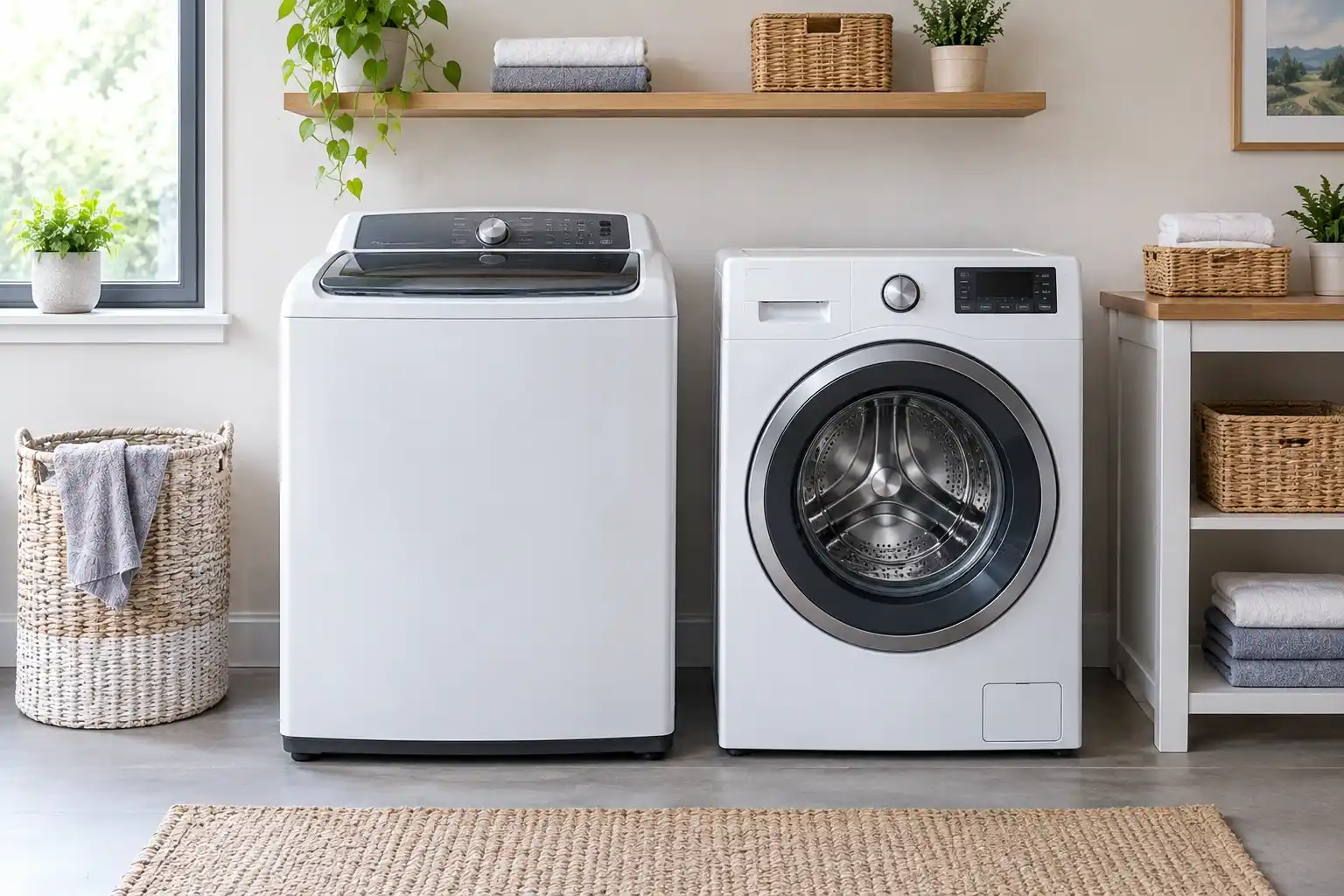
The troubleshooting process can differ depending on whether you have a top-load or front-load washer. Both styles can experience drainage, balance, and control problems, but the components involved are not always the same.
| Washer Type | Common Components to Check | Typical Symptoms |
|---|---|---|
| Top-load washer | Lid switch, motor coupling, clutch, shift actuator, suspension rods, drive belt | Agitates but does not spin, shaking, repeated spin failure, basket movement problems |
| Front-load washer | Door lock, pump filter, drain pump, shock absorbers, bearings, drive system | Water remains inside, door stays locked, loud spin noises, drum movement problems |
Exact components vary by brand and model. Use the owner’s manual for model-specific instructions, and arrange professional diagnosis when internal parts need to be tested or replaced.
Additional Signs That Your Washer Needs Professional Repair
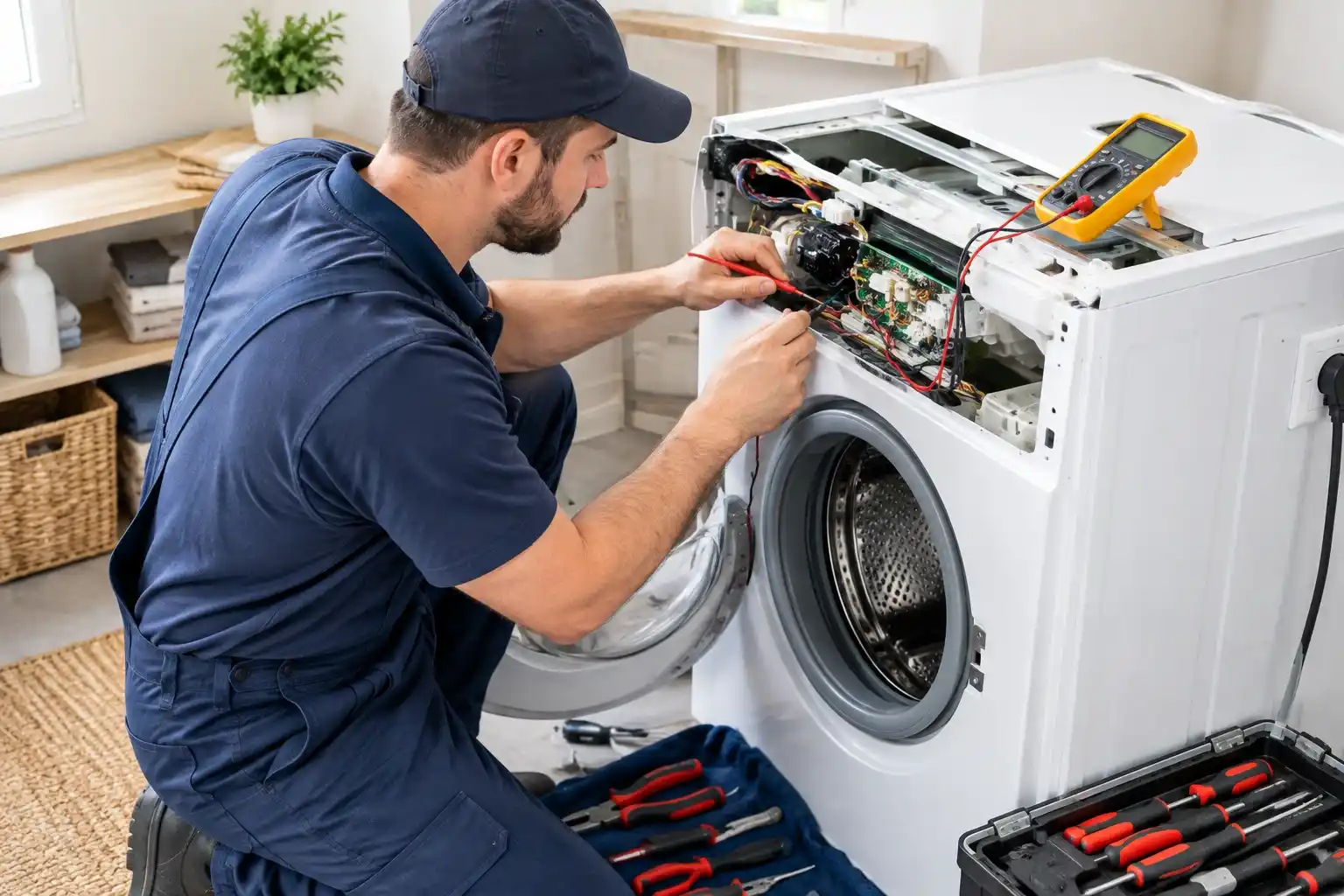
Some symptoms suggest that the issue is more than a simple load or drainage problem. Contact a qualified appliance repair professional if you notice any of the following:
Is It Safe to Repair a Washing Machine Yourself?
Simple tasks such as balancing a load, checking the cycle setting, leveling the appliance, or inspecting an accessible drain hose are usually reasonable for a homeowner. However, internal repairs can involve sharp metal edges, stored electrical energy, heavy components, water exposure, and moving parts.
Always unplug the washer before inspecting accessible components. Do not bypass a lid switch or door lock, work on live wiring, or dismantle the cabinet unless you have the required training and tools. If the problem involves the motor, control board, bearings, pump, clutch, belt, or safety system, professional service can reduce the risk of injury and prevent additional damage.
When to Call Appliance Repair Bend OR
If your washing machine is not spinning after you have checked the load, settings, balance, and drainage, it is time to schedule a professional inspection. A trained technician can test the washer’s safety switches, drain system, motor, drive components, suspension parts, and electronic controls.
For homeowners in Bend, Oregon, Appliance Repair Bend OR can help identify the cause of spin-cycle problems and explain the repair options. Providing the brand, model number, error code, recent symptoms, and any unusual sounds can make the diagnostic process more efficient.
Testimonials
Genuine customer experiences can strengthen trust when they are specific and verifiable.
Accurate Diagnosis
The strongest reviews explain the problem, diagnosis, repair, and outcome in the customer’s own words.
No Unnecessary Parts
Homeowners value technicians who test the safety switches and drive components before recommending a repair.
Fast Local Response
Same-day appointments help Bend homeowners get laundry back on track quickly.
Awards, Credentials & Case Studies
Only display verified licenses, certifications, and awards. Replace the example below with real, verified service details before publishing.
Spin Cycle Failure Case Study
The problem: A top-load washer agitated normally but would not spin.
The diagnosis: The technician tested the lid switch and motor coupling and identified the failed part.
The result: Replacing the faulty component restored normal spin operation.
Frequently Asked Questions
Why is my washing machine not spinning but still filling with water?
The washer may have a failed lid switch or door lock, an unbalanced load, a drainage problem, or a drive-system fault. Start by checking the load, cycle settings, and drain hose. If the washer still will not spin, professional testing may be required.
Why does my washing machine spin sometimes but not every time?
Intermittent spin problems can be caused by uneven loads, overheating components, a failing safety switch, a weak motor, worn suspension parts, or an electronic control issue. Note when the failure occurs and whether the washer displays an error code.
Can a blocked drain cause a washing machine not spinning?
Yes. Many washers will not begin or complete the high-speed spin until the water has drained. A blocked filter, kinked hose, clogged drainpipe, or failing drain pump can leave clothes wet and prevent the spin cycle from completing.
Final Takeaway
A washing machine not spinning can result from a simple imbalance, incorrect cycle selection, poor leveling, or a drainage restriction. It can also indicate a failed safety switch, pump, belt, motor, suspension component, or control system.
Begin with the safe checks in this guide. If the washer continues to stop, makes unusual noises, leaves water in the tub, or shows signs of an electrical or mechanical fault, avoid repeated test cycles and contact a qualified appliance repair technician in Bend, OR.
Need Help Diagnosing a Washer That Won’t Spin?
If basic troubleshooting hasn’t solved the problem, our technicians can find the actual cause and give you a clear repair estimate before any work begins.