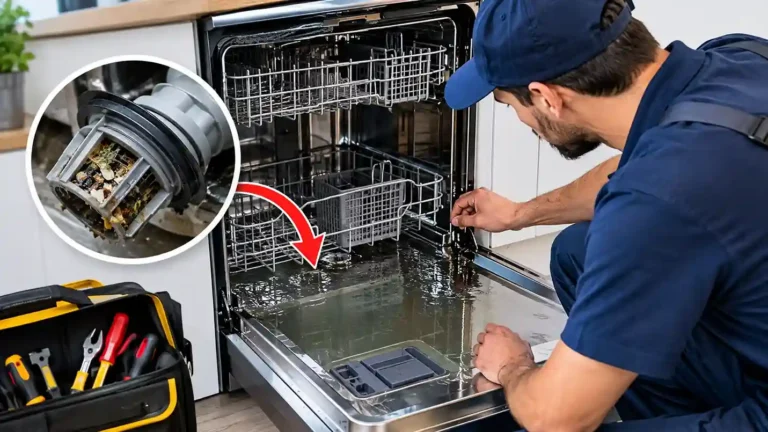
AC Tune-Up and Maintenance Guide for Bend, OR Homes
A professional AC tune-up catches small problems before they turn into no-cool emergencies on the hottest day of summer. This guide covers everything included in a full tune-up. It shows the best time to schedule one in Central Oregon, simple DIY maintenance between visits, and a heat pump note many local homes need.
Start Here: Why AC Maintenance Matters in Bend
Most homeowners in Bend think about their air conditioner exactly once a year: the first hot afternoon when it gets switched on. That is understandable. It is also the reason so many cooling systems fail on the season’s hottest weekend. By then, every technician in Central Oregon is booked solid.
A spring AC tune-up flips that script. A technician inspects, cleans, and tests the whole system while the weather is still mild. Small problems get caught on your schedule. A weak capacitor, a slow refrigerant leak, a clogged drain line — all found on a calm afternoon instead of a 95-degree Friday evening.
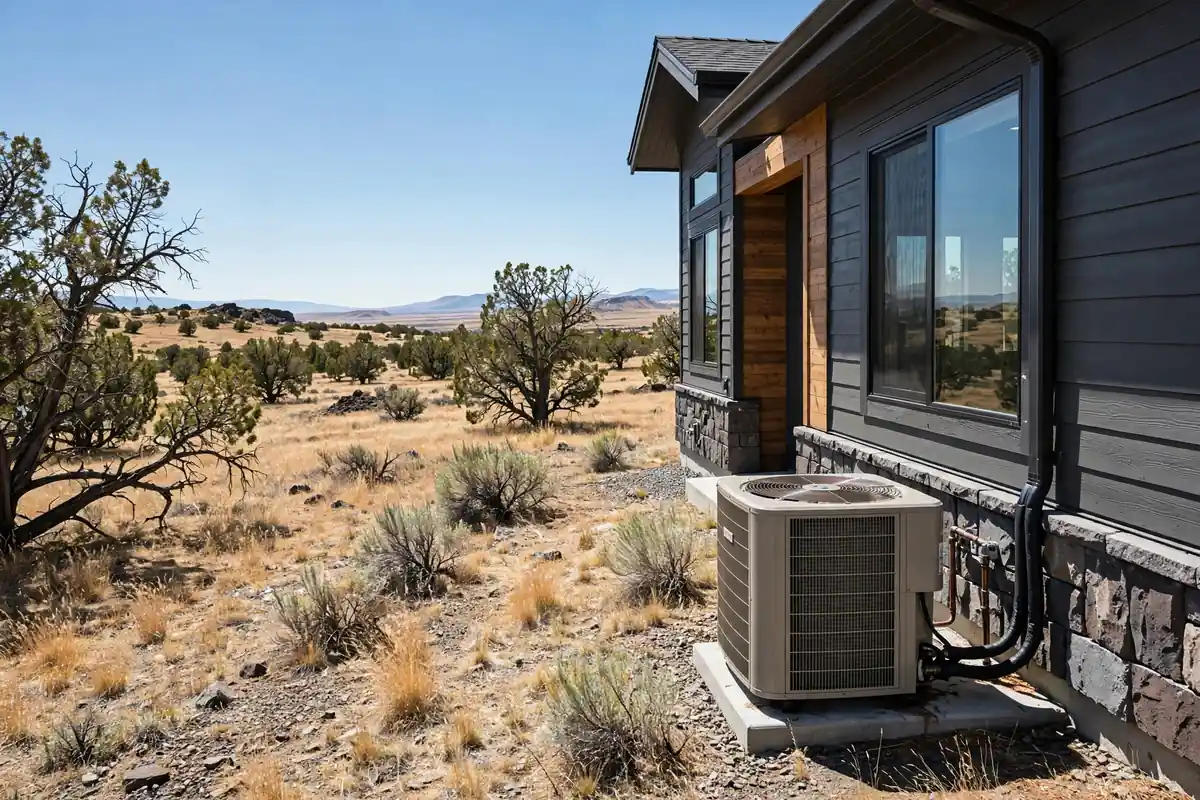
Central Oregon adds its own twists. High-desert dust works into condenser coils all spring. Wildfire smoke season loads filters faster than normal. And many local homes cool with heat pumps that also heat all winter, which doubles their workload. This guide is written for those realities, not for a generic market.
Below you will find the full professional tune-up checklist and the best timing for Bend and Redmond. You will also get safe DIY maintenance for between visits, plus clear guidance on when a technician should take over. If your system is already struggling, start with our air conditioning repair in Bend page. This guide is about keeping a working system healthy.
Table of Contents — Tap to Jump to a Section
- 01 Introduction
- 02 What Is a Tune-Up?
- 03 How Your AC Cools Your Home
- 04 Professional Tune-Up Checklist
- 05 Key Items in Detail
- 06 What to Expect During a Visit
- 07 When to Schedule in Central Oregon
- 08 Dust, Smoke & Altitude
- 09 Seasonal AC Calendar
- 10 DIY Maintenance You Can Do
- 11 Heat Pumps: The Central Oregon Note
- 12 Signs Your AC Needs Service Now
- 13 DIY or Pro?
- 14 When to Call a Technician
- 15 FAQ
- 16 Bend & Redmond Service
- 17 Final Takeaway
What Is an AC Tune-Up?
An AC tune-up is a full inspection, cleaning, and performance test of your cooling system by a trained technician. It is preventive care: the system is checked while it still works, before summer heat puts it under daily load.
A thorough tune-up covers:
- Refrigerant levels and a leak check
- Electrical testing of capacitors, contactors, and connections
- Condenser and evaporator coil inspection and cleaning
- Blower motor and airflow assessment
- Condensate drain flush and pan inspection
- Thermostat calibration and system cycling test
- Safety controls verification and a written report of findings
The visit usually takes 60 to 90 minutes. In Bend, the ideal time to book is March through May — before the summer rush fills every technician’s schedule. For heat pump homes, a second visit in fall makes sense because the system heats all winter too.
Good to know: if a technician finishes in under 45 minutes, key steps were probably skipped. A real tune-up covers the indoor and outdoor units. If no one ever comes inside to check the thermostat and air handler, you are not getting the full service.
How Your Air Conditioner Cools Your Home
An air conditioner does not create cold air. It moves heat from inside your home to the outdoors. The heat travels through a refrigerant loop with two main parts: the indoor air handler and the outdoor condenser.
Inside, the evaporator coil absorbs heat from your indoor air. The refrigerant carries that heat outside, where the condenser coil releases it into the air. A fan blows outdoor air across the condenser coil to speed the release. Then the cooled refrigerant cycles back inside to absorb more heat.
Three things can slow that loop down. Restricted airflow from dirty filters or blocked vents. Dirty coils insulated by dust or grime. And low refrigerant from a leak. Regular AC maintenance targets all three, which keeps cooling consistent and stops the system from straining.
Your system also drains water. As the evaporator coil cools air, moisture condenses on it and flows out through a condensate drain line. A clogged drain line can shut the system down or leak water into your home. That is why drain checks are part of every proper service visit.
What’s Included in a Professional AC Tune-Up
Not all tune-ups are equal. Use this checklist as your standard — a reputable technician should cover every item below during a thorough maintenance visit. Ask for it before booking.
| Checklist Item | What the Technician Does | Why It Matters |
|---|---|---|
| Refrigerant levels and leak check | Measures system pressures and inspects for signs of a leak | Low refrigerant cuts cooling and strains the compressor |
| Capacitor and contactor test | Tests these electrical components for wear or weakness | The most common causes of no-cool breakdowns in summer |
| Electrical connections and wiring | Tightens connections and inspects for heat damage or wear | Loose connections cause failures and safety hazards |
| Condenser coil cleaning | Cleans the outdoor coil and straightens bent fins | Dirty coils block heat release and raise running costs |
| Evaporator coil inspection | Inspects and cleans the indoor coil where accessible | A dirty coil chokes airflow and cooling capacity |
| Air filter check | Checks filter condition and advises on replacement | A clean filter protects airflow and indoor air quality |
| Blower motor and airflow | Measures airflow and checks motor operation | Weak airflow means uneven cooling room to room |
| Condensate drain flush | Clears the drain line and inspects the pan | Prevents water damage and surprise shutdowns |
| Thermostat calibration | Tests and calibrates the thermostat | A miscalibrated thermostat causes short cycling |
| Temperature split measurement | Compares supply and return air temperatures | Confirms the system is cooling at full strength |
| Safety controls verification | Tests overflow switches and safety cutoffs | Catches failures before they damage the system |
| Written report and recommendations | Documents findings and flags upcoming wear items | Lets you plan repairs before they become urgent |
Key Tune-Up Items, Explained
The checklist above is the standard. Here is what the most important items actually involve — so you can tell a thorough visit from a quick once-over.
Refrigerant Check: The Cooling Lifeblood
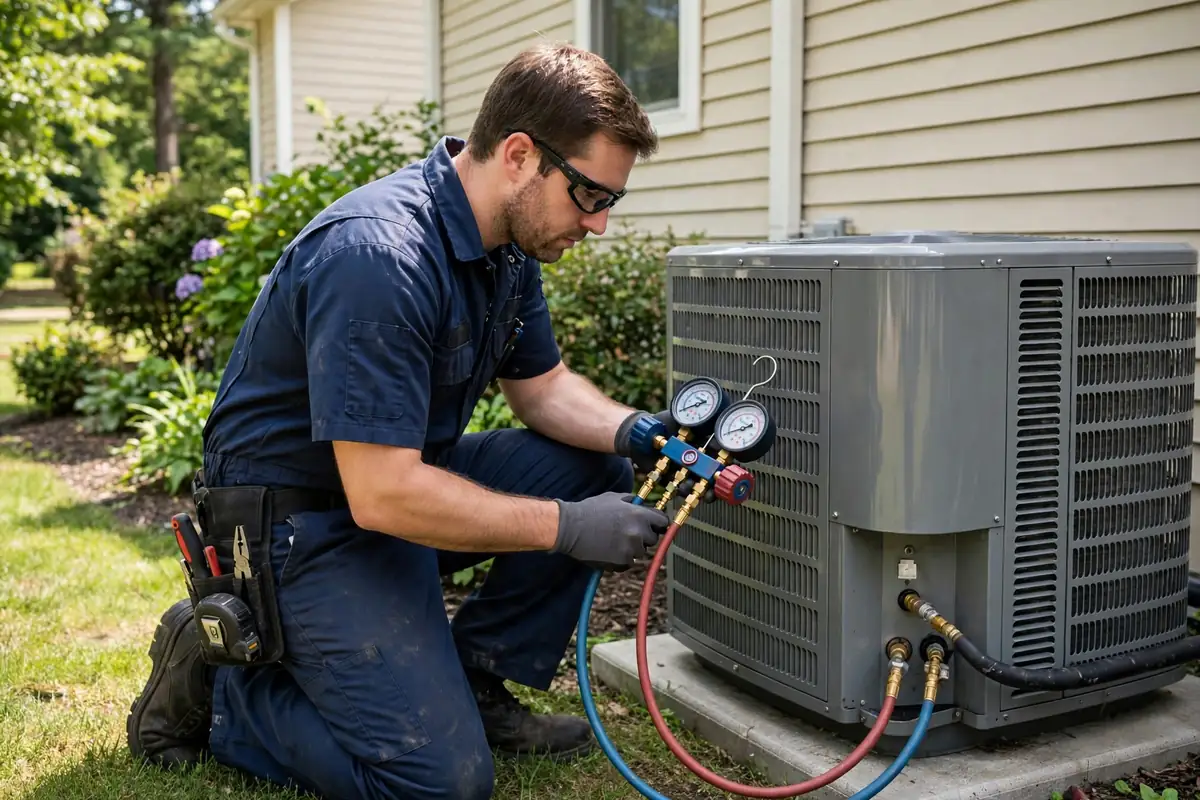
Refrigerant does not get “used up” like fuel. If the charge is low, there is a leak — and the leak is the real problem. During a tune-up, the technician measures system pressures and compares them against the manufacturer’s specifications. If readings are low, the next step is finding and repairing the leak, not just topping off.
Low refrigerant shows up as longer run times and warm air from vents. You may also see ice on the refrigerant lines or indoor coil, plus higher electricity bills. Catching a slow leak in spring costs far less than a compressor failure in August.
Electrical Testing: Capacitors, Contactors, Connections
The capacitor gives the motors their starting push. The contactor is the switch that powers the compressor and fan. Both are inexpensive parts that fail often — and both fail hardest on the hottest days, when electrical load peaks. Testing them in spring means replacing a weak capacitor on a calm afternoon instead of on an emergency call.
Connections loosen over time from vibration and thermal cycles. Tightening them and inspecting wiring for heat discoloration is quick work that prevents intermittent failures and is a genuine safety matter.
Coil Cleaning: Condenser and Evaporator
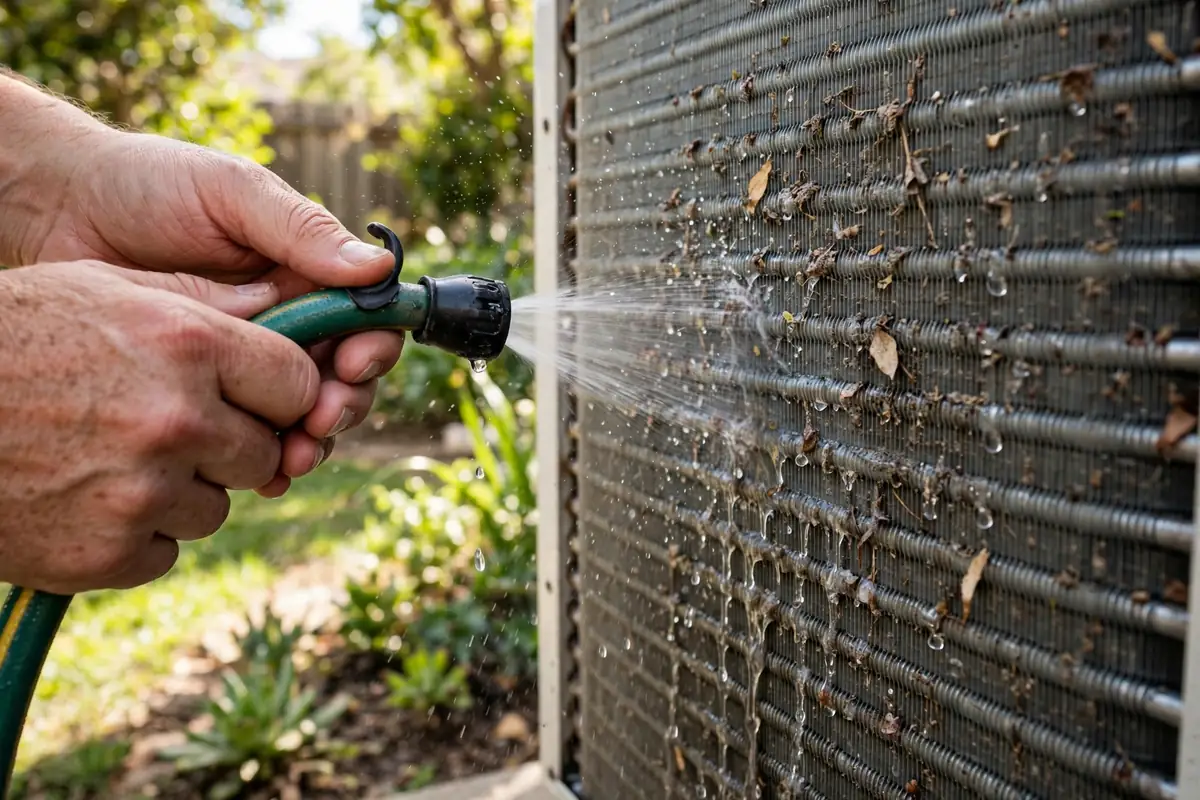
The outdoor condenser coil sits outside all year, collecting dust, pollen, cottonwood fluff, and grass clippings. Even a thin film of grime insulates the coil and slows heat release. The system then runs longer to deliver the same cooling. The technician cleans the coil and straightens any bent fins to restore airflow through it.
The indoor evaporator coil is harder to reach but just as important. It sits in the airstream, so it collects fine dust that slips past the filter. This gets worse during wildfire smoke season in Central Oregon. A dirty evaporator coil reduces cooling capacity and can encourage mold growth in humid conditions.
Drain Line and Thermostat
The condensate drain is small and easy to forget. Algae and dust build up inside it, and a clogged line backs water up into the drain pan — or onto your floor. A flush takes minutes during a visit and prevents one of the most common summer water-damage calls.
Thermostat calibration checks that the temperature on your wall matches the actual room temperature. A few degrees off causes the system to short-cycle. Starting and stopping too often wears components and wastes energy. Programmable and smart thermostat settings are reviewed at the same time.
What to Expect During a Tune-Up Visit
Knowing how the visit unfolds helps you spot a rushed job — and helps you ask the right questions while the technician is there.
Arrival and Intake
The visit starts with your input. Tell the technician what you have noticed: rooms that cool unevenly, longer run times, odd sounds, or higher bills. Then the technician walks the whole system. They check the outdoor condenser, indoor air handler, thermostat, and visible ductwork. Nothing gets touched until the full picture is clear.
Safety and Diagnostics
Next comes power-down and safety. The technician shuts the system off at the disconnect, then runs the diagnostics. That means checking refrigerant pressures, testing capacitors and contactors, inspecting connections, and measuring airflow. This is the detective work that finds the weak capacitor or slow leak while it is still cheap to fix.
Cleaning and Adjustments
With the diagnosis done, the hands-on work begins. The coil gets cleaned and bent fins get straightened. The drain gets flushed and loose connections get tightened. The filter is checked and, if you have a replacement on hand, swapped. Moving parts that need lubrication get it.
Final Testing and the Report
Everything powers back up for a full cooling cycle. The technician measures the temperature split between supply and return air. They confirm strong airflow at the vents and verify the thermostat cycles correctly. Then you get a written summary: what was checked, what was cleaned, what looks worn, and what should be watched.
While the technician is there, ask: What filter type and size does my system take? Is there a part showing wear I should plan for? And for heat pump homes — should I book the fall heating-side visit now? One conversation can save a second scheduling call.
When to Schedule AC Maintenance in Central Oregon
The short answer: March through May. Schedule your AC maintenance in spring, before the cooling season starts. That window gives you the best appointment times. You get a technician who is not rushing between emergency calls, and a system verified before the first real heat wave.
Waiting until June or July is the classic mistake. By then, every cooling company in Bend and Redmond is fielding no-cool emergencies. A routine visit can mean a two- to three-week wait. A weak capacitor found in May is a calm scheduled repair. The same capacitor failing in July is a hot, uncomfortable emergency.
Spring also follows the hardest part of the year for outdoor equipment. Your condenser has sat through snow, wind, juniper pollen season, and spring dust storms. A spring visit clears that accumulation off before summer workload begins.
The Central Oregon scheduling rhythm: book once a year in spring for a cooling-only system. If your home uses a heat pump for heating and cooling, book twice. Go for spring for the cooling side and fall for the heating side, because the system works year-round. Read the heat pump note below for the full explanation.
Set a recurring calendar reminder for early April. That one reminder does more for your AC than almost anything else. It locks in the habit before the busy season.
Missed the spring window? If spring slipped by and it is already June, do not wait another year. A late-summer AC tune-up is still far better than none. The technician can catch the problems that turn into fall surprises and document the system’s condition for next spring. Call early in the week rather than on a Friday afternoon, when emergency demand peaks.
High-Desert Dust, Wildfire Smoke & Altitude
AC maintenance guides written for humid markets miss what actually stresses cooling systems in Bend. Here are the three local factors that change the playbook.
High-Desert Dust Coats Everything
Central Oregon’s dry, dusty air is relentless. Fine dust settles on the outdoor condenser coil and works into the fins. It loads the indoor air filter faster than national schedules assume. A filter that lasts three months elsewhere may be noticeably dirty here in half that time.
The condenser placement matters more here too. Units tucked near gravel driveways, unpaved yards, or along the dusty side of a house collect buildup fastest. Keep the area around the unit clean, and check the filter monthly rather than quarterly. That is the single most effective local habit.
Wildfire Smoke Season Loads Filters and Coils
Smoke season has become a regular part of Central Oregon summers. During heavy smoke weeks, your system’s filter works far harder. Fine ash particles load it quickly, and the evaporator coil can collect a film of fine particulate that slips past.
Practical steps during smoke events: check the filter weekly and replace it if it looks gray. Keep the system set to recirculate, with no outside-air intake. And resist the urge to open the outdoor unit for cleaning while air quality is hazardous. After a long smoke season, mention it when you book your next service. A professional coil cleaning is often warranted sooner than usual.
Altitude and Dry Air Affect the Indoor Unit
Bend sits above 3,600 feet, and the air is extremely dry. Low humidity means the evaporator coil rarely gets the natural rinse that condensate provides in humid climates. Dust stays put on the coil instead of washing off. The dry air is also comfortable for occupants. That can mask an underperforming system — you feel fine at 78 degrees even while the AC is struggling.
The altitude itself does not damage the system, but the combination of dust, smoke, and dry air means Central Oregon systems benefit more from maintenance than the national average suggests. The dust simply has nowhere to go but into your equipment.
Your Seasonal AC Calendar for Bend
One spring tune-up is the anchor, but a few small tasks through the year keep the system at its best — especially with dust and smoke season in the mix.
Spring (March – April): The Main Event
Book the annual tune-up first, then do your own basics. Replace the filter and clear winter debris from around the condenser. Run the system in cooling mode on a mild day to confirm every vent delivers strong, cool air. April is the sweet spot — early enough for open scheduling, late enough that the weather is cooperating.
May: Pre-Summer Check
Before the first real heat wave, verify cooling one more time and stock a spare filter or two. Spare filters on the shelf mean you actually change them when they are due. No more putting it off for a store run. Smoke season can start early some years, so having extras is doubly useful.
Summer (June – August): Monthly Attention
Check the filter monthly — more often during smoke events. Keep the condenser clear of grass clippings and vegetation. Keep the thermostat steady rather than swinging it wildly. Note any new sounds, weak rooms, or rising bills as early warning signs — not end-of-summer regrets.
Fall (September – October): The Heat Pump Visit
Heat pump homes get the fall heating-side service. For cooling-only homes, fall is still useful. Replace the filter one last time and clear fallen leaves from around the condenser. Do a final check that nothing was left to fix before the equipment sits idle for winter.
Winter (November – February): Light Duty
The cooling system rests now. For heat pump homes, keep the outdoor unit clear of heavy snow and ice so it can heat efficiently. For cooling-only systems, simply leave the condenser alone — it is built to sit outside all winter. Use the quiet months to schedule next spring’s visit before the rush.
DIY AC Maintenance You Can Do Yourself
Professional service once a year is the backbone, but a few simple habits between visits keep your system running well — and they are all safe, quick, and free.
1. Change or Check the Air Filter
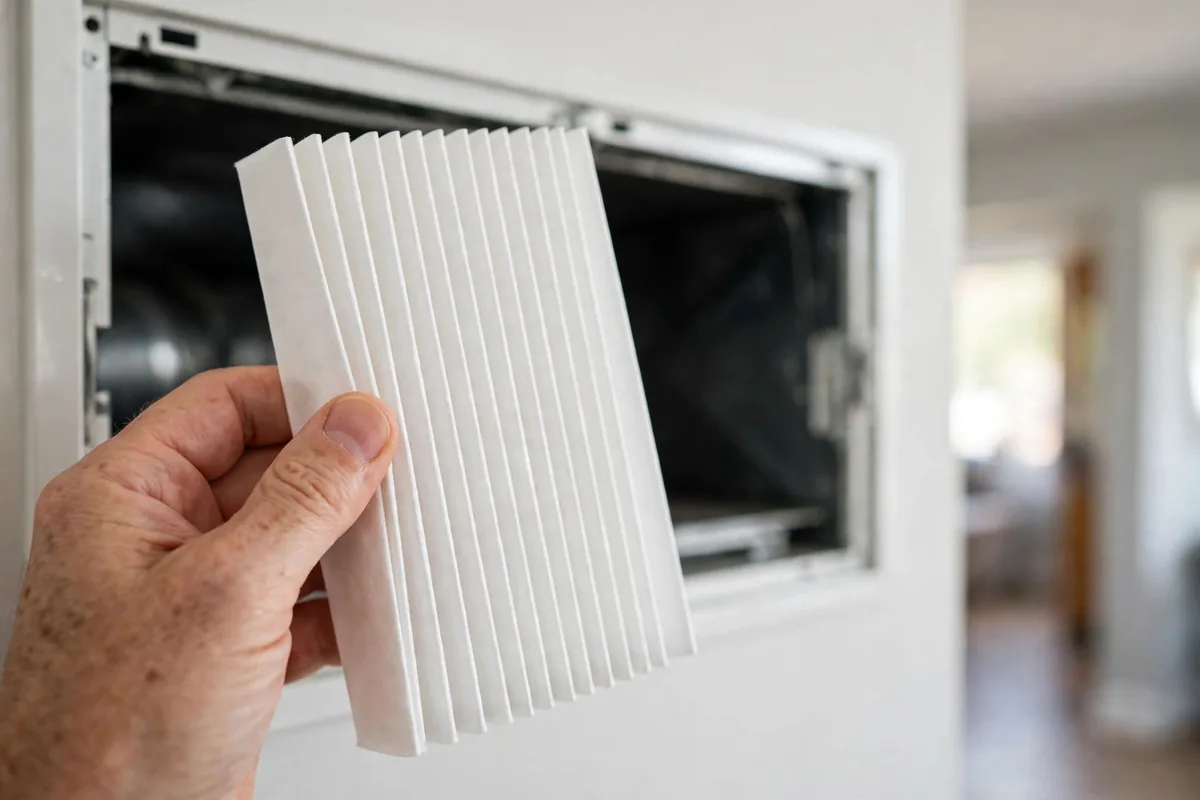
The air filter is the easiest win in home maintenance. A clean filter helps airflow, protects the evaporator coil from dust, and keeps indoor air cleaner. In Bend, check it monthly during the cooling season and during smoke events. Replace it when you can no longer see light through the pleats, or per your filter manufacturer’s schedule.
Note the correct filter size and type for your system before buying replacements. A filter that is too thin or a poor fit lets dusty air bypass it entirely, which defeats the purpose.
2. Keep Two Feet Clear Around the Condenser
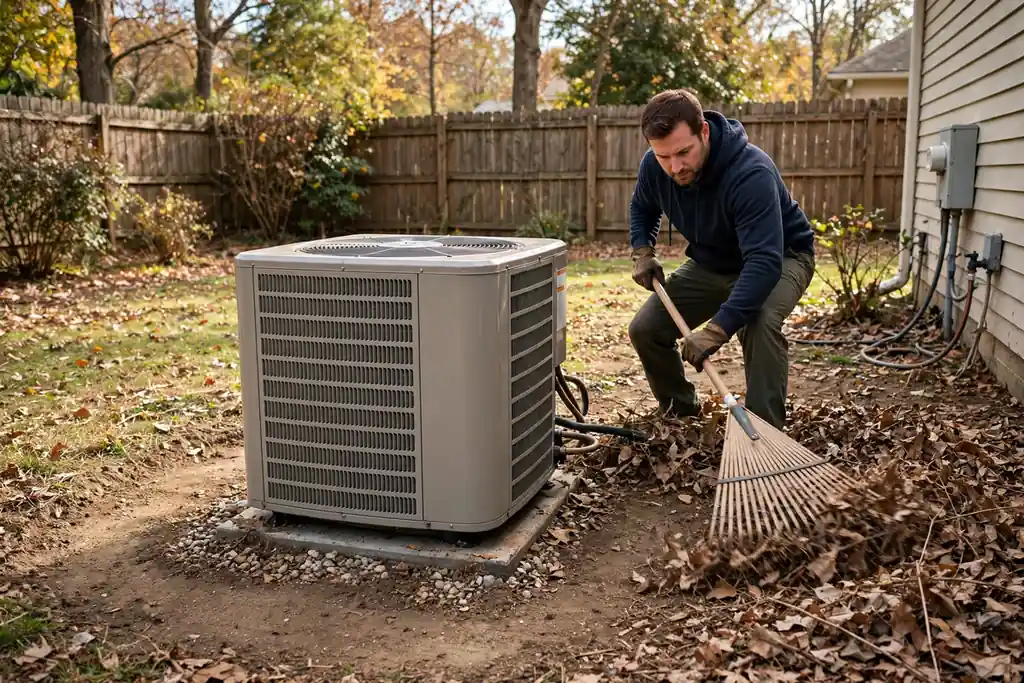
The outdoor unit needs open space on all sides to release heat. Trim shrubs, rake out leaves, and move anything stored against it. Keep about two feet of clearance around the whole unit. Vegetation and clutter restrict airflow and make the system work harder.
3. Gently Rinse the Outdoor Coil
With the power off at the outdoor disconnect, rinse the condenser coil from the outside with a gentle garden-hose spray, working top to bottom. This washes off spring dust and pollen before they bake into the fins. Never use a pressure washer — it bends the delicate fins and can cause real damage.
Safety note: always shut power off at the outdoor disconnect box before touching the condenser, and never open electrical panels or probe components. Rinsing the outside of the coil is safe; anything deeper belongs to a technician.
4. Set the Thermostat Sensibly
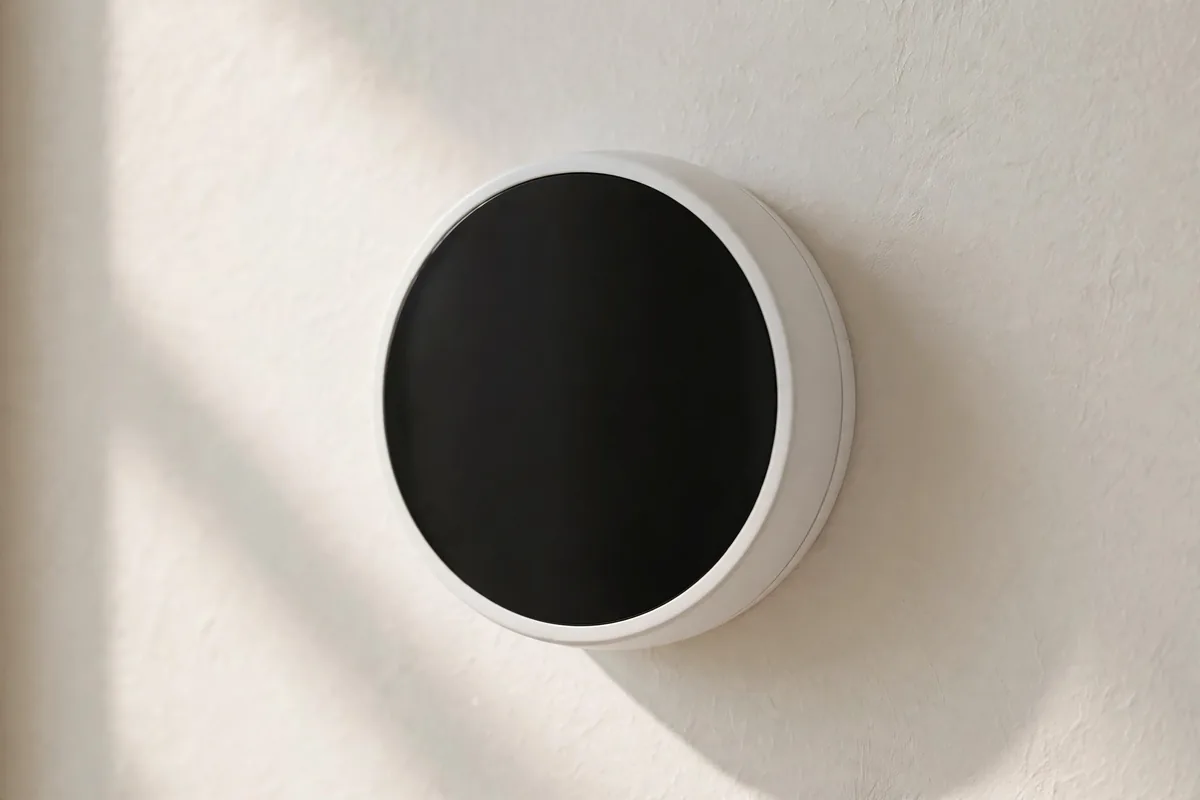
On a mild Central Oregon spring day, run the system in cooling mode for 20 to 30 minutes. Check every vent for strong, cool airflow. This simple test catches problems early: weak airflow in one room, warm air from vents, odd noises. You still have time to schedule service before summer.
For everyday settings, a steady temperature is easier on the system than constant big swings. If you use a programmable thermostat, avoid aggressive setback schedules that force long catch-up cycles on the hottest afternoons.
5. Keep Vents Open and Unblocked
Walk through the house and confirm every supply vent is open. Make sure furniture, rugs, and curtains are not blocking them. Closing vents in unused rooms does not save energy on most systems. It raises duct pressure and can reduce overall performance. Vacuum dust off vent covers while you are at it.
Heat Pumps: The Central Oregon Note
Many Central Oregon homes do not have a separate furnace and air conditioner. They have a heat pump. A heat pump is a single system that cools in summer and heats in winter by reversing the same refrigeration cycle. If your outdoor unit runs all year, you almost certainly have one.
This changes the maintenance picture in two ways. First, your system does roughly twice the work of a cooling-only AC, so it wears faster. The parts checked during an AC tune-up — capacitors, contactors, refrigerant charge, coils, airflow — matter just as much on the heating side. A weak component found in spring saves you a January breakdown too.
Second, heat pump homes benefit from two service visits a year. One in spring for the cooling side. One in fall for the heating side. Think of it as one tune-up per season of hard work. If you only schedule the spring visit, ask the technician about fall service before they leave. It is the easiest time to book it.
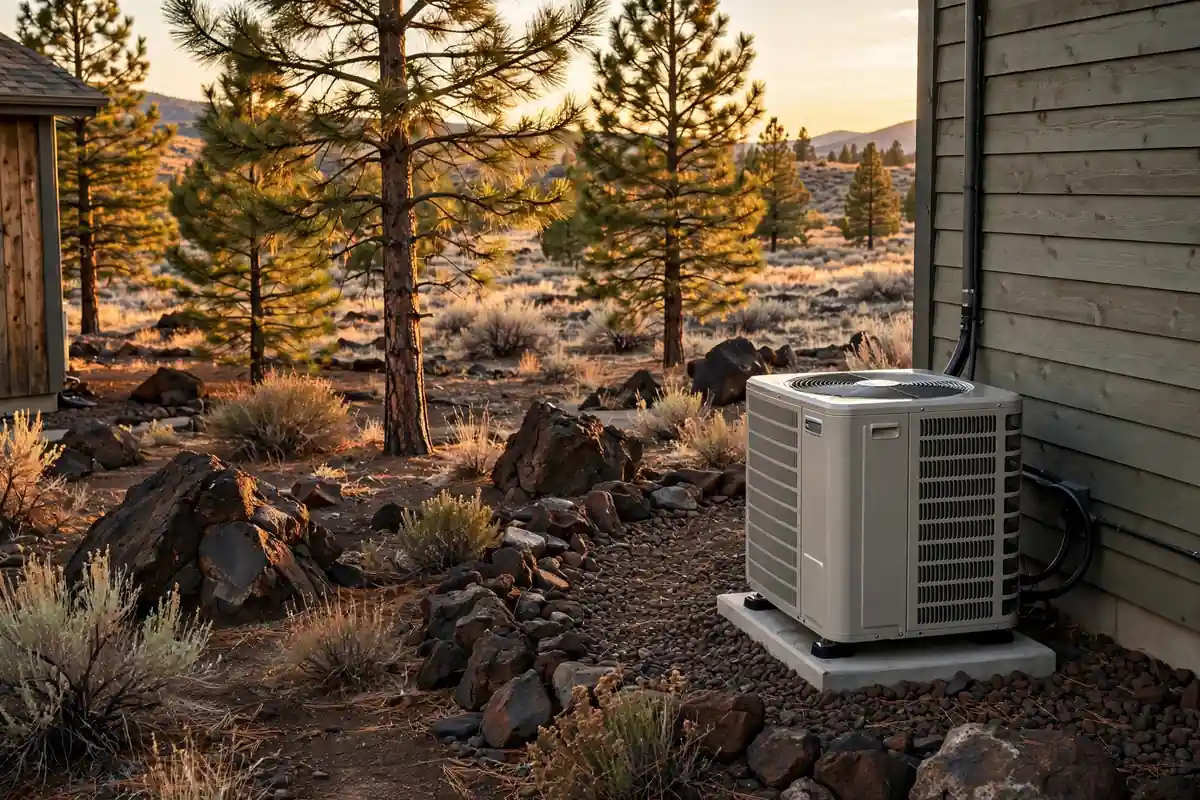
One more heat pump habit for local homes. Keep the outdoor unit clear of snow and ice in winter, just as you keep it clear of debris in summer. A blocked outdoor coil forces the system to run harder in the season it already works hardest.
A quick way to confirm what you have: look at the outdoor unit’s label for the word “heat pump,” or watch it on a cold day. If it runs in winter, it is a heat pump. Either way, your spring AC tune-up confirms the setup. The technician can also set the right twice-a-year rhythm.
Signs Your AC Needs Service Now
You do not need to wait for your annual visit if the system is telling you something is wrong. These signs mean a service call is worth making before the problem grows.
Ice on the coil and water around the indoor unit deserve prompt attention — they can escalate quickly. Turn the system off if you see heavy icing and let it thaw before the technician arrives. For persistent problems, our air conditioning repair in Bend service handles diagnosis and repair with upfront flat pricing.
AC Maintenance: DIY or Professional Service?
Use this table to decide what to handle yourself and what to hand to a technician.
| Maintenance Task | DIY Suitability | Professional Help |
|---|---|---|
| Check and replace the air filter | Good | Usually unnecessary |
| Clear debris around the condenser | Good | Usually unnecessary |
| Gently rinse the outdoor coil | Good, power off first | Needed for deep coil cleaning |
| Open and vacuum vents, check thermostat settings | Good | Usually unnecessary |
| Flush the condensate drain line | Good, with care | Recommended if clogs recur |
| Test cooling performance on a mild day | Good | Call if airflow or cooling is weak |
| Refrigerant levels and leak detection | No | Yes — certified technician required |
| Electrical testing: capacitors, contactors, wiring | No | Yes |
| Deep coil cleaning and fin repair | No | Yes |
| Thermostat calibration and temperature split | Basic settings only | Yes, for calibration |
The key rule is simple: DIY the airflow basics between your annual AC tune-up visits — filter, clearance, rinsing, vents, thermostat. Let a professional handle refrigerant, electrical work, and anything inside sealed panels. A quick spring check on the DIY items makes the annual visit more effective, not less.
When to Call an AC Technician

Call a technician if the system has not been serviced in more than a year. Call if any of the warning signs above have appeared, or if your own DIY checks did not resolve weak cooling. A Bend AC tune-up visit covers the full checklist in this guide. It is the right call before a small issue becomes a summer breakdown.
Call sooner, without further DIY attempts. That means water leaking from the indoor unit, a burning smell, sparking, or loud mechanical noises. Turn the system off at the thermostat first if something sounds or smells wrong.
If you skipped your last AC tune-up, mention it when you book. The technician will know to pay extra attention to the coil condition, the drain line, and the electrical components that wear fastest without maintenance. That detail helps them arrive prepared and often resolves everything in a single visit.
Frequently Asked Questions About AC Tune-Ups
How often should I schedule an AC tune-up?
Once a year is the standard for a cooling-only system — ideally every spring. If your home uses a heat pump for both heating and cooling, schedule twice a year. Book spring for the cooling side and fall for the heating side, since the system works year-round.
When is the best time to schedule AC maintenance in Bend, OR?
March through May, before the cooling season starts. You get better appointment times, a more thorough visit, and a system verified before summer heat arrives. Booking in June or July often means waiting weeks, because technicians are handling emergency calls.
How long does an AC tune-up take?
A thorough visit takes 60 to 90 minutes. The technician covers the outdoor condenser and the indoor air handler — refrigerant, electrical components, coils, drain, thermostat, and airflow. A visit under 45 minutes likely skipped important steps.
Can I do AC maintenance myself, or do I need a professional?
Both. Homeowners can handle the basics. Change the filter, clear debris around the condenser, and check vents and thermostat settings. Rinse the outdoor coil gently with the power off. Refrigerant work, electrical testing, and deep coil cleaning require a trained professional.
How does wildfire smoke affect my AC system?
Heavy smoke loads the air filter much faster than normal and can leave fine particulate on the evaporator coil. During smoke events, check the filter weekly and keep the system on recirculate. After a long smoke season, consider an earlier professional coil cleaning.
Do heat pumps need maintenance twice a year?
Yes, it is the recommended rhythm in Central Oregon. A heat pump heats and cools with the same components. It does roughly double the work of a cooling-only system. Spring service covers cooling; fall service covers heating.
Why is my AC running but not cooling well?
Usually it is one of four things: a dirty air filter, a dusty condenser coil, blocked vents, or low refrigerant from a slow leak. Check the filter, the clearance around the outdoor unit, and every vent first. If those are fine, low refrigerant or weak electrical components are the likely suspects — both need a technician.
Will skipping maintenance void my AC warranty?
Many equipment manufacturers require proof of regular professional maintenance for warranty coverage. Skipped service can complicate a future warranty claim. Check your warranty terms and keep records of each visit.
AC Maintenance in Bend & Redmond, OR
A spring tune-up is the simplest way to keep your cooling system reliable through Central Oregon’s dusty spring, hot summer, and wildfire smoke season. It takes about an hour, and it catches the problems that become expensive on the hottest days.
We serve homeowners throughout Bend. That includes Northwest Crossing, Awbrey Butte, Boyd Acres, Larkspur, River West, Mountain View, Summit West, Orchard District, and Southern Crossing. We also cover appliance repair in Redmond, Oregon and surrounding Central Oregon communities. Mention your heat pump or any warning signs when you book, and the technician will arrive ready.
Final Takeaway
An AC tune-up is a full inspection, cleaning, and performance test. It covers refrigerant, electrical components, coils, drain, thermostat, and airflow. Book it once a year in spring, before the cooling season. In Bend, it matters more than average. High-desert dust, wildfire smoke, and dry air all load the system faster here. And many local homes run heat pumps that work year-round.
Between visits, the homeowner basics carry you. Check the filter monthly. Keep two feet clear around the condenser. Rinse the outdoor coil gently with the power off. Keep vents open. Leave refrigerant, electrical testing, and sealed panels to a professional.
Ready to Schedule Your AC Tune-Up?
If your system has not been serviced this year, our technicians can run the full maintenance checklist. The same goes if it is showing any warning signs above. You get a clear, upfront estimate before any work begins. Same-day appointments available across Bend and Redmond.